When iron, zinc or boron problems show up in tree crops, it is tempting to start with a simple question: how much nutrient did we apply? In high-pH soils, that is rarely the whole story. A better question is whether the nutrient stayed available long enough for the tree to use it. Many orchard soils contain measurable amounts of micronutrients, yet crop response can still be limited because alkaline conditions change those nutrients into forms roots cannot easily take up. That is especially true for iron and zinc. Boron behaves differently, but it still requires careful management because the safe range between deficiency and excess can be narrow. For growers and advisers, the starting point for better micronutrient efficiency is not just the fertilizer program. It is the chemistry of the root zone.
This discussion moves from root-zone chemistry to three practical micronutrient challenges: iron, zinc and boron. Iron and zinc are emphasized because high pH and bicarbonate can reduce availability; boron is treated separately because its safe range is narrow. It’s not a coincidence boron rhymes with moron. We know pistachios are boron pigs, but putting “more on” is not always the answer. Almonds carry boron with a higher sorbitol production. Pistachios and walnuts don’t make as much sorbitol and have issues moving it.
Start with Root-Zone Chemistry
High-pH soils make micronutrient management tricky because they change the form nutrients take in the soil. Iron and zinc are most useful to the plant when they are dissolved in the soil solution near active roots. As pH rises, those nutrients are less likely to stay dissolved. They can become tied up with carbonates, hydroxides, clay particles or organic matter. From the tree’s point of view, that nutrient may as well be locked behind a door. It is present in the block, but not available at the time and place the crop needs it.
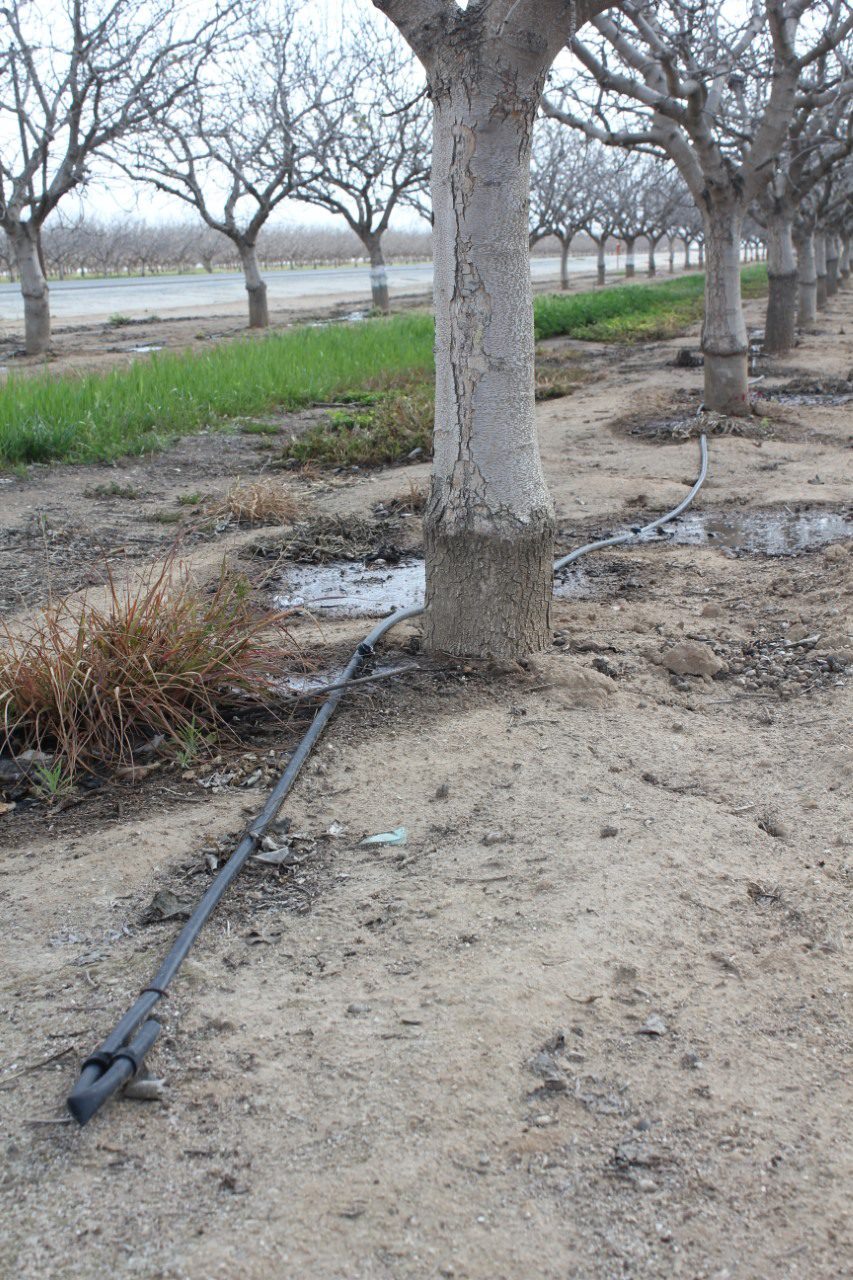
Irrigation-water bicarbonate adds another layer to the problem. Bicarbonate contributes alkalinity, which is the water’s ability to neutralize acidity and resist pH change. That distinction matters. A water sample can tell you the pH on the day it is tested, but alkalinity helps explain what that water will do repeatedly in the root zone over a season. When bicarbonate-rich water is applied again and again, it can push the wetted soil volume toward more alkaline conditions. In drip- and micro-sprinkler-irrigated orchards, that zone is exactly where fertilizer, salts and feeder roots are concentrated.
That is why “more fertilizer” is not always an efficient fix. If the chemistry around the root encourages iron or zinc to precipitate or become fixed, a higher rate may simply create more unavailable nutrient. A better approach starts with a few practical checks: soil pH, irrigation-water bicarbonate and alkalinity, carbonate pressure in the root zone, where active roots are located, and when the tree is actually demanding the nutrient. In high-pH systems, the most useful question is often not “What are we short on?” but “What is keeping this nutrient from getting into the tree?”
Iron: Availability, Not Just Supply
In high-pH orchards, iron deficiency is often a chemistry problem, not a supply problem. Total soil iron may be adequate, but alkaline conditions can shift it into poorly soluble forms. The common result is interveinal chlorosis on young leaves, with yellow tissue between greener veins.
Because iron moves poorly inside the plant, symptoms often appear first in new growth and may not correct quickly. Management should focus on keeping iron soluble near active roots by addressing pH, bicarbonate pressure, drainage, root health and product form. In difficult alkaline soils, stable chelated iron sources may help when placed where roots can use them.
Zinc: Focus on Timing and Placement
Zinc shows this clearly. As soil pH goes up, soluble zinc can drop quickly. In an alkaline orchard soil, zinc may attach to carbonates and soil surfaces or move into forms that roots cannot easily absorb. The result is a frustrating but common situation: a soil report may show zinc is present, while the tree still behaves as if zinc is in short supply. The issue is not always the size of the zinc bank. Often, it is the tree’s access to that bank. Tissue tests that aren't rinsed with acid first can show adequate zinc levels that aren't actually being utilized by the plant. Ask for them to be rinsed with acid first to ensure the most accurate numbers.
Spring is when this limitation often becomes most visible. New shoots and expanding leaves have a strong demand for zinc, but root activity may still be limited by cool soils, wet conditions or restricted root health. Symptoms can include small, narrow leaves, shortened internodes, delayed leaf-out and rosetted shoot tips. By the time those symptoms are easy to see from the orchard floor, however, the crop may already have lost some productive potential. That is why tissue testing, block history and an understanding of pH and bicarbonate conditions are more reliable than waiting for the canopy to tell the whole story.
Efficient zinc programs are built around timing and placement, not just pounds applied. Soil-applied zinc can be useful in some situations, but performance is often limited where high pH and bicarbonate-driven alkalinity tie up the nutrient quickly. Chelated materials may improve availability when conditions justify the cost and when they are placed where active roots can use them. Foliar applications can also help bypass root-zone constraints, especially when timed to active leaf uptake and early-season growth. The goal is simple: get enough zinc into the tissues that are building leaves, buds and crop load. In high-pH orchards, that usually requires managing chemistry first and fertilizer rate second.
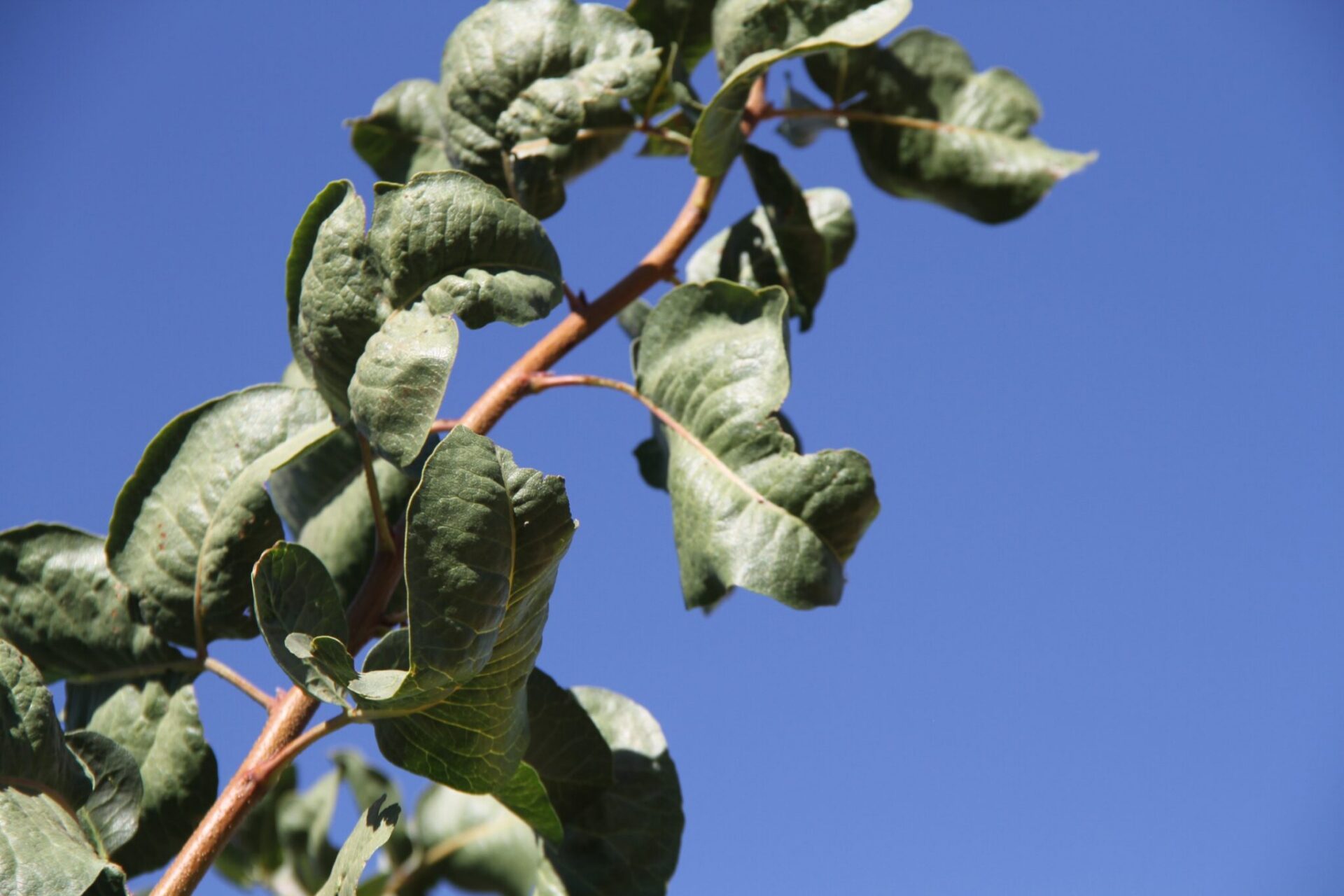
Boron: A Narrow Margin
Boron behaves differently from iron and zinc, so it needs separate management. Availability is affected by irrigation, soil texture, organic matter and root activity, but precision is the main issue. Tree crops need boron for reproductive growth, pollen function, fruit set and shoot development, yet the margin between deficiency and excess is narrow.
Testing and timing are therefore critical. Boron decisions should rely on tissue analysis, block history and symptoms, not routine application alone. When boron is needed, rates should be conservative and matched to crop stage, irrigation pattern and soil conditions to correct deficiency without creating toxicity risk.
Management Takeaways:
Diagnose the root zone before raising rates; pH, bicarbonate, alkalinity and root activity often explain weak response.
Match the strategy to the nutrient: iron and zinc need availability-focused placement or foliar support, while boron needs careful rate control.
Use tissue testing, block history and timing to act before symptoms reduce growth, fruit set or yield potential.
Originally published in the October / November 2026 issue of West Coast Nut, beginning on page 20.
From the Orchard
to Your Next Good Decision.