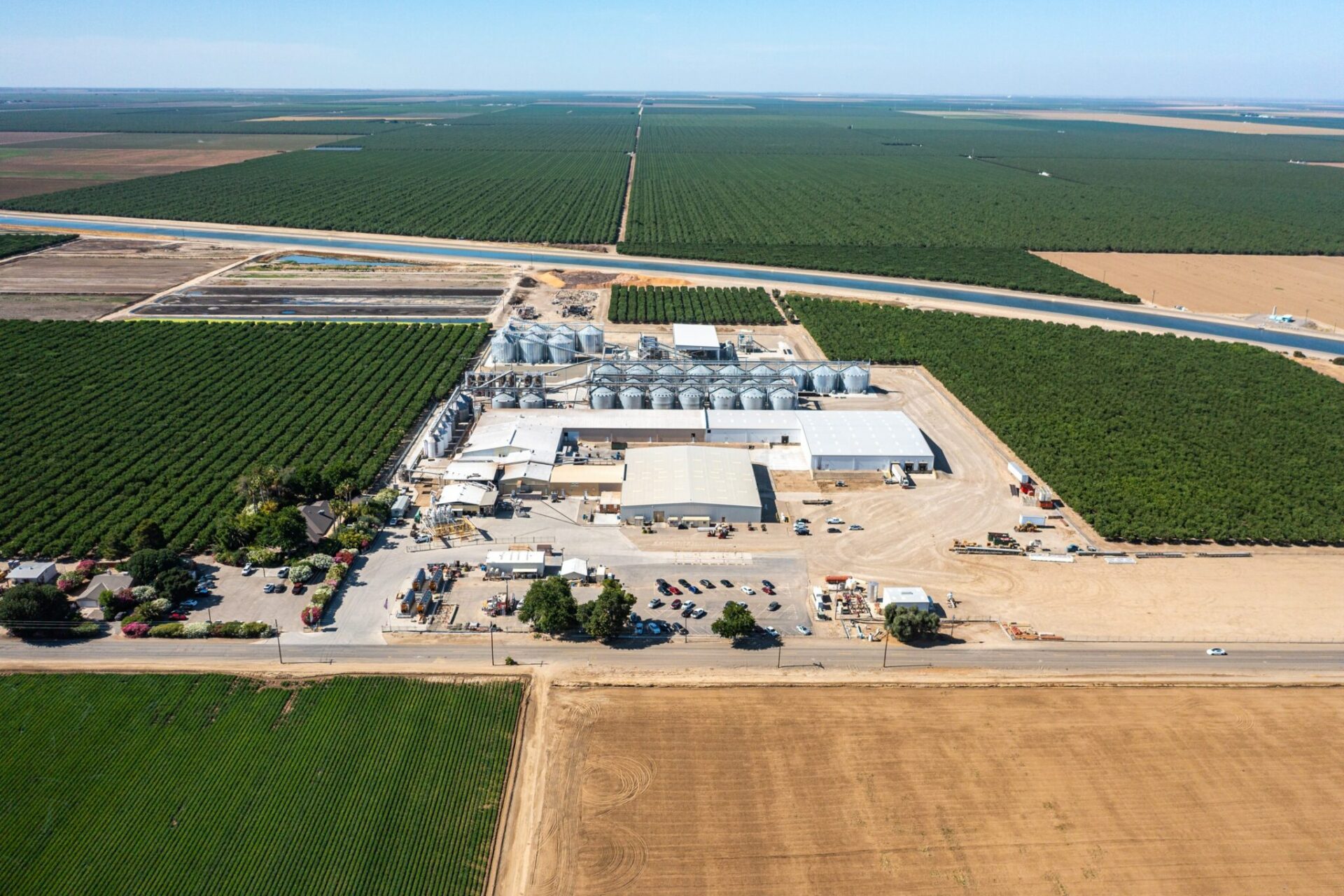
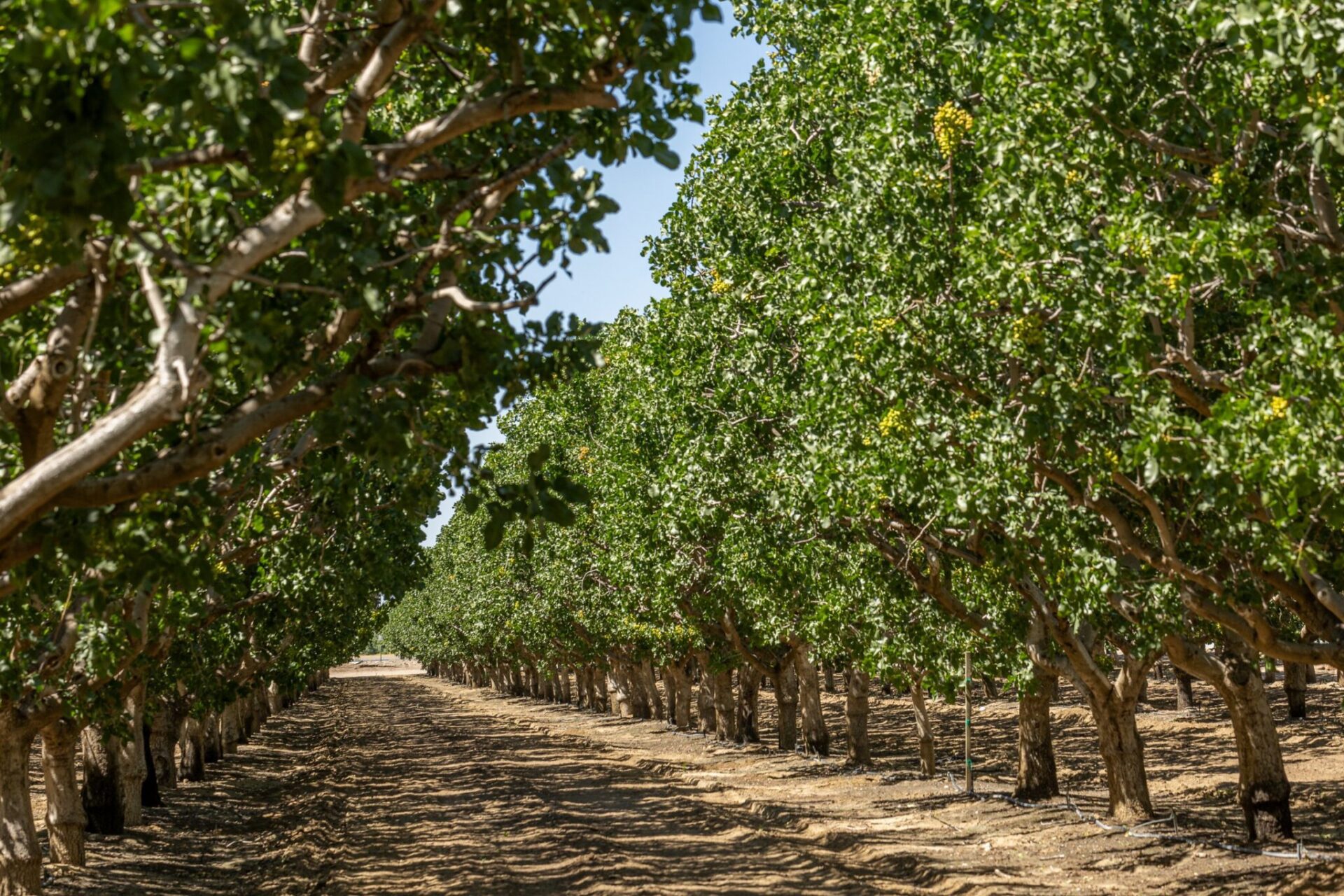
Keenan Farms began when Charles Keenan swapped an apartment building for a vineyard and 100 acres of newly planted pistachio trees. Today, the company manages just under 1,000 acres of its own and works with numerous growers to fulfill the needs of its customers.
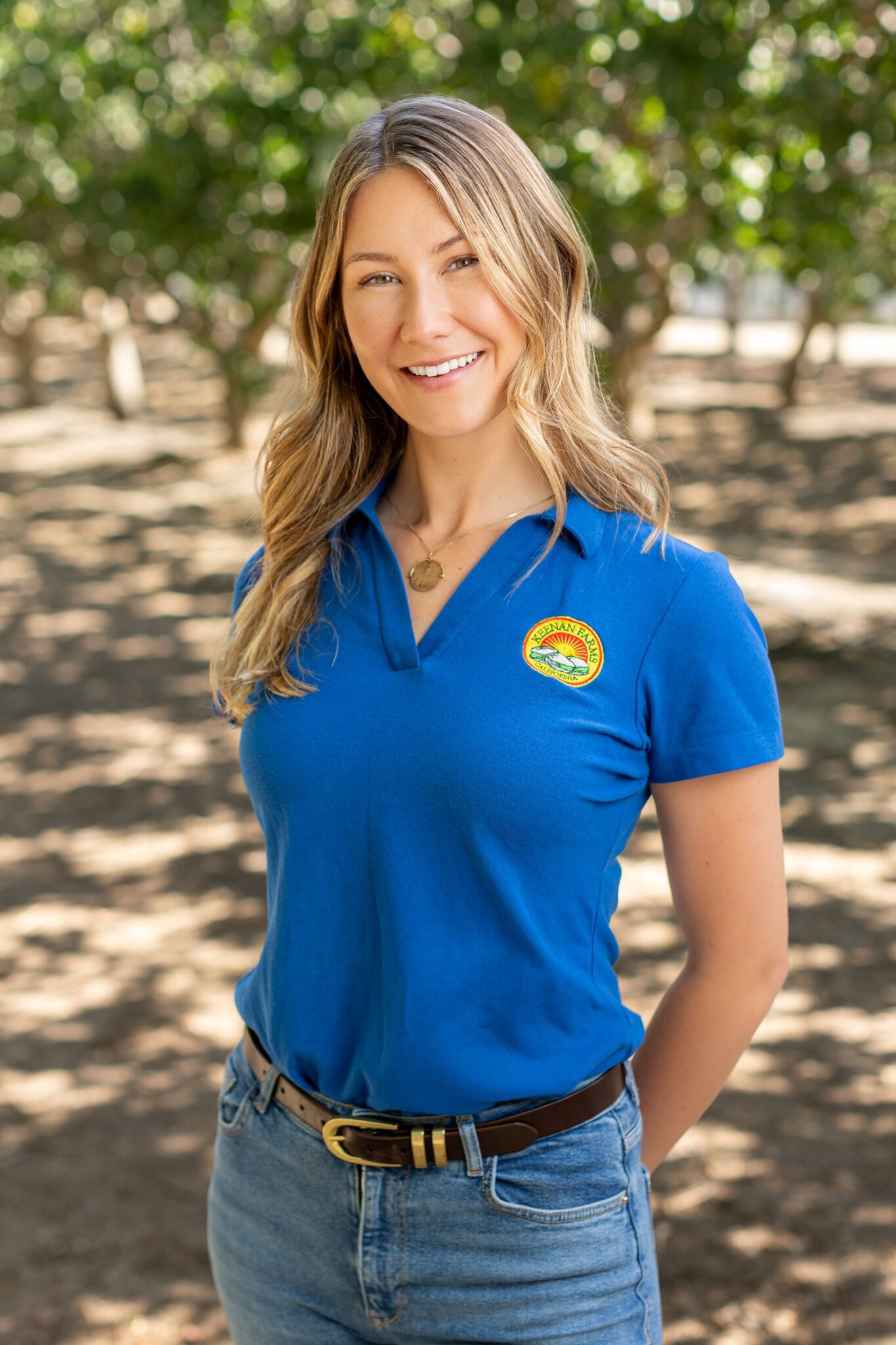
Despite spending some time in the Bay Area and in Southern California, Elizabeth Keenan Schuh always knew she wanted to come back to the family business where she now serves as marketing manager for the company. Her brother is the vice president, focusing on export sales, overall business strategy, and production, while her mom and dad continue in leadership roles in the company, as well.
We asked Schuh to share with us her family’s story and her thoughts on the nut industry:
Tell Us a Little Bit About Your Family History in the Nut Industry.
My grandpa, Charles Keenan, was in the real estate business in the Bay Area. In the '70s, he found a great opportunity to trade an apartment building for some acreage in Modesto, which was grapes at the time. Basically, it was a straight swap: a building for a vineyard. There wasn't enough equity in the deal, they needed to sweeten it just a little bit to make it apples to apples, so the sellers threw in 100 acres of newly planted pistachio trees in Kettleman City, California. That's how we acquired the land to grow Keenan Farms.
My grandparents moved from Palo Alto to Kettleman City. They developed the pistachios and grew over time, and as they were approaching 1976, which was our first commercial harvest, they saw a need for a processing facility. They started with a potato peeler and a coffee roaster to get the hull off of the pistachios, and then dry them out and roast them enough so that they're edible.
That's obviously not a super sustainable system because it can handle 500 pounds, which was our first harvest, but it's not going to handle a couple million pounds. So they, in tandem with a couple other processors in the industry, started developing better systems.
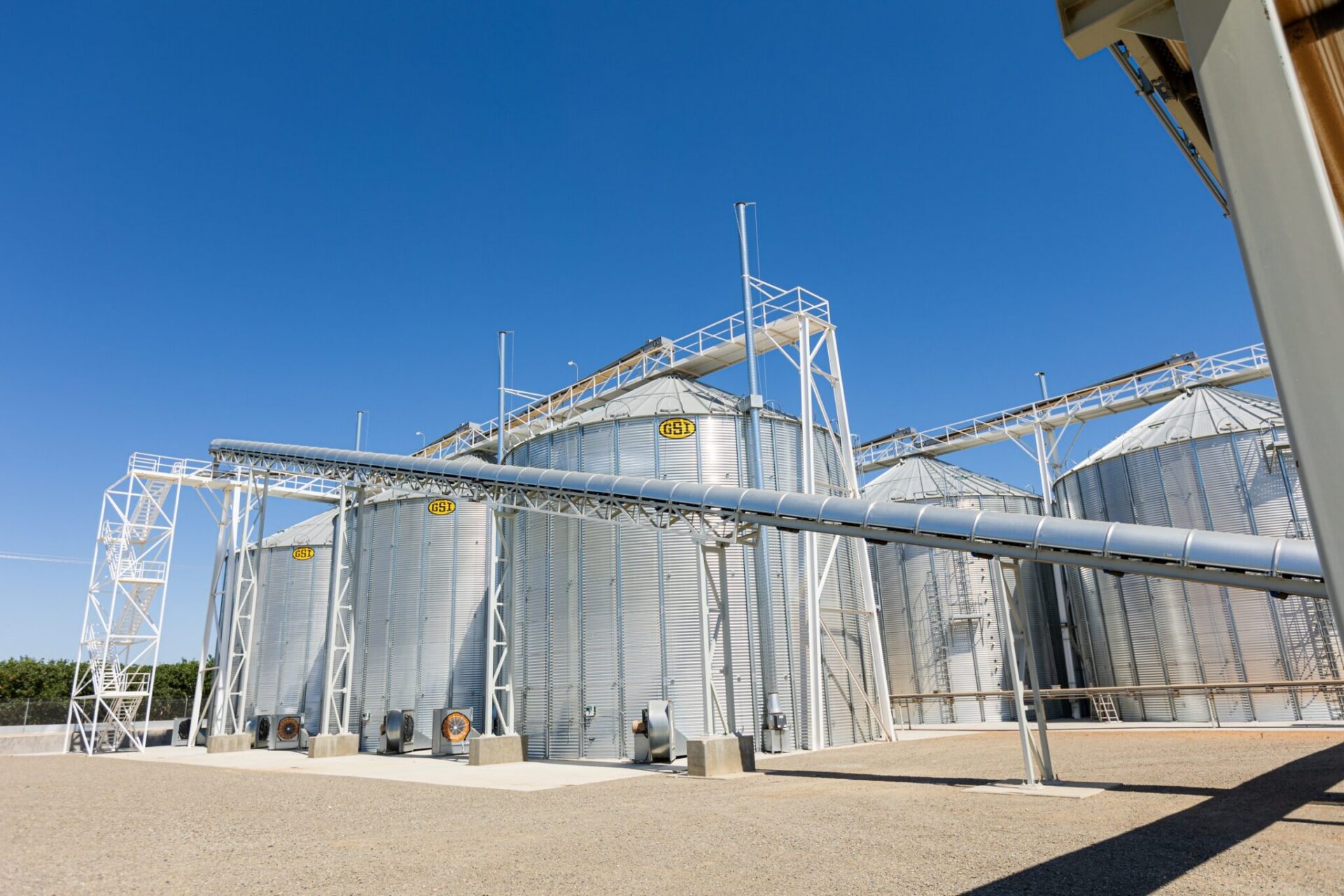
Large-scale commercial farming for pistachios didn’t really develop until the ’70s and ’80s. My grandpa was pretty instrumental in pioneering the systems for how we process and how we harvest. Now, we have a massive facility with two separate hulling plants, and we have all kinds of great technology to make sure we're optimizing our farming production.
What Is Your Story in Farming?
I grew up in Lemoore, California, on my parents' property. We had 27 acres of pistachios out in Lemoore. My brother and I grew up there.
We always had it in the back of our minds that, of course, we're going to come back to the pistachio farm one day, but I opted to go back to the Bay and spend some time up there, especially for college. I went to Santa Clara University. I got to get the picture of what Bay Area living is like. It's cool, but I like a little more space. I majored in English. I thought about pursuing the law track, but it just didn't make sense for my life. I love to travel, I love to be outside, I love agriculture and gardening, so why would I want to be stuck in a law library?
I got further into marketing, which English has actually been incredible for. I moved to Southern California for a few years to just double-check. I knew California was home, but I just wanted to double-check I'm where I'm supposed to be.
I worked in marketing for a quality assurance business, so I got to learn about quality, which I was kind of strategic about, too. Quality has become a hot-button topic for the pistachio industry, especially as regulations kick up globally, but I got to learn about quality processes in quality-critical industries, so aerospace, pharmaceuticals. Everything that's kind of life or death. Of course, ag, we want to be food-safe, but there's a little less high-stress pressure in this.
How Has Growing Nuts Changed Over the Years?
It truly started out with a few businesses with up to 100 acres like us, just grassroots figuring out how things work. We've evolved a lot from the potato peeler and coffee roaster to massive, multimillion-dollar production facilities with so many different processes and so much new technology.
That collaboration between engineering and innovation and finding its niche in ag, specifically pistachios, has been so cool. Seeing how we develop different systems used by older products or bigger crops, modifying them to suit the very niche, specific needs that pistachios have.
The micromanagement of our full supply chain is incredible, just the lot tracking and the keeping up with so many different customer needs. Back in the day, it used to be:
“I'd like some in-shell pistachios, can you ship them to Germany.”
“Yep, sure can. Let's go.”
Now, there's labeling requirements, there's so many different certifications and tests and compliance paperwork that needs to be dealt with and really developing and educating customers on the best way to handle pistachios, the best way to market them, the best way to streamline whatever processes they are thinking about as pistachios enter a new market. It's been really interesting and fun to keep up with.
What Would You Say Are the Biggest Challenges Facing the Industry Today?
The vast majority of U.S. pistachios are grown in California, and we have the perfect climate for it, which is incredible.
The only real complication with growing here is regulation on farmers, which has been huge in recent years, and California makes it pretty tricky to be a business, especially a small business. There's some regulatory issues that we consistently face, including cost of labor, minimum wages going up.
It's very expensive to hire people and manage people. Water security is huge. We have drought seasons and lower snowpack than we'd like to have in our mountains, but there's also very strict regulation on our water usage. SGMA has been a huge issue.
That makes it pretty complicated for us to supply our plant, let alone our trees, with water. Just to process the pistachios takes water.
The state doesn't make it easy to manage all of that, but, despite that, farmers are pretty resilient. We've been here for almost 55 years, and we have zero plans to move anytime soon. It's such a huge part of California's economy and we love what we do so much that we'll take on any challenge that anybody throws our way, including our state.
Pistachios Became Really Popular and Plantings Went Up Quickly. Are You Starting to See the Effects of All That Product Coming to the Market?
We had fears that there would be more inventory than there is demand. I think between state regulations and between complicated growing regions where people planted and didn't find much success, we've started to regulate ourselves a little bit more.
We're going to see more and more acreage come online, but we're also seeing some acreage be removed or just people are done farming it. Water's expensive, labor's expensive. In some growing regions, there's very alkaline soil, or acidic soil, or just other complications like no water that have taken those acres out of production.
Global demand has matched our inventory pretty well. There's actually maybe a little bit more global demand than we have supply for. That's all comforting.
Talk a Little Bit About How Keenan Farms Manages Labor and Water.
Labor is tricky. California minimum wage is going up … and it’s just been increasing over time.
We have a very efficient plant and very efficient systems, so that helps minimize the amount of labor we need, and as we grow, we haven't needed to increase our workforce too much. Our biggest way to save on labor costs is some automation, but mostly being a good place to work. Reducing employee turnover, finding highly skilled people, trusting them, and building a partnership with them. That's huge. That's the story to our success.
As we grow, our employees are skilled, they can keep up with it, and we have good systems, good technology to make sure our employees are able to be as efficient and have everything that they need to keep it moving.
And then water. We pay close attention to our water district. Westlands is the district we're in. We have good relationships with them. We stay on top of our information.
We've purchased fallow land in the last couple of years. We have bought land that we do not farm just for the water rights. Our plant is secure, our farm is secure. We have the water we need to operate what we operate, but that's not the same case with everyone in our industry.
We're not trying to grow or exceed what we can handle. We grow to match the industry, and we're very long-term minded. Our goal is to farm at least another 50 years. Let's see if we can get a couple hundred out of it, but we want to make it into multiple new generations of Keenan farmers. We want to make sure that future's there for us.
What Does the Industry Need to Do to Be on the Best Possible Path for the Future?
I think growing pistachios that are at the most premium quality we possibly can is our differentiator. Being consistent and having high quality globally is important. We produce a lot of pistachios, but they have to be good quality.
We need to be very mindful of food safety, high-quality farming practices, and very diligent processing. I think that stability and security we can provide ourselves is an industry-wide collaboration.
As new technologies are developed, as new systems for managing your supply chain are developed, we all have to take it upon ourselves to invest in our farms, and invest in our processing, and make sure that quality is our top priority.
How Do You Reinvest in Your Community?
Making sure our community is taken care of is a big initiative that I handle. We partner with quite a few different organizations throughout the Central Valley community, including our hospital systems. We make sure that they get donations and we're participating in their activities.
Foster care has become a huge concern of ours. In the Central Valley, we have so many successful businesses and so many successful people, but there's also poverty, and California's expensive. The foster care network has become an incredible resource for our community.
And food security is another huge issue. We grow so much food in California, and California still has food deserts. We make sure our local food banks are supplied, not only with pistachios but with donations, not just during the holidays but throughout the entire year. That's very important for us.
And we all have a soft spot in our hearts for animals. Everyone in my family has rescued a dog off the streets. Just being in a rural town, people drop off their pets, and it's heartbreaking, but we work with a few different dog rescues in the area to make sure even the four-legged animals and members of our community are taken care of.
The community has supported us for over 50 years, and we're just happy to be able to put back whatever we can. Youth sports and youth 4-H projects, those are huge. We just try to spread the love pretty thoroughly. Everybody can always use a case of pistachios for a fundraiser or whatever, and we love to support where we can.
My parents started a scholarship at our local community college, which is incredible, so we're very proud of that.
Originally published in the October / November 2026 issue of West Coast Nut, beginning on page 24.
From the Orchard
to Your Next Good Decision.