Almonds, pistachios and walnuts aren’t entering 2027 from the same place.
California’s three major tree nut crops have each faced a different set of circumstances over the past several years. Almond and walnut growers have removed acreage following years of difficult returns, while pistachio acreage continues to expand as more young orchards come into production.
Still, growers across all three crops are dealing with many of the same pressures. Rising production costs, water availability and global competition continue to affect profitability, while each industry looks for opportunities to build demand at home and abroad.
For West Coast Nut’s 2026 State of the Tree Nut Industry, processors and industry leaders across almonds, pistachios and walnuts shared what they’re seeing now, where they see opportunities and what growers should be watching as they plan for 2027 and beyond.
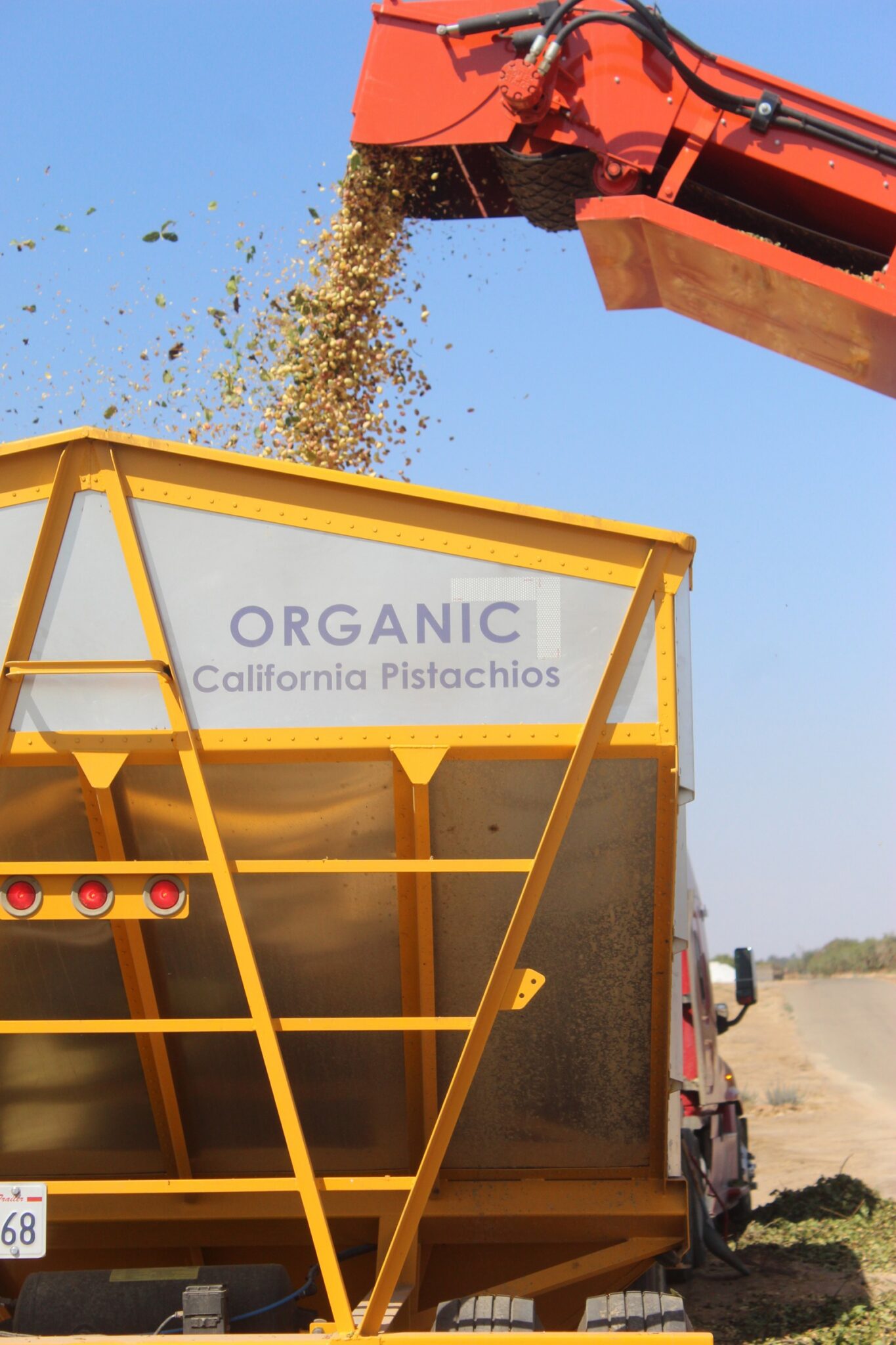
Pistachios: Short Crop Comes Ahead of More Production
California pistachio growers are coming off an unusually small crop in 2026, but the longer-term outlook is still one of growth.
The industry currently has about 520,000 bearing acres, with another 100,000 acres planted but not yet bearing, according to Andy Anzaldo, senior vice president of grower relations at Wonderful Pistachios. Anzaldo expects the 2026 harvest to total about 650 million pounds, down from a record 1.6-billion-pound crop the previous year.
“Our supply has dropped almost two-thirds in a year,” Anzaldo said.
American Pistachio Growers (APG) CEO Mike Forbes also identified managing the smaller crop as the industry’s most immediate challenge.
“The biggest challenge is creating a bridge to the 2027 harvest,” Forbes said. Current crop data, he noted, has continued to support expectations for a much smaller crop than 2025, making inventory management an important issue in the months ahead.
Anzaldo said an important part of that bridge will be making sure established customers continue to have access to pistachios during the short crop.
“The key for us heading into 2027 is ensuring those key buyers in the markets of China, Europe and domestic all have some supply for this year because we’re going to need them going into 2027,” he said.
At the same time, more pistachio production is coming. Anzaldo said he expects another 300 million pounds of production by the end of the decade.
Forbes said growing demand will depend in part on continuing to connect pistachios with consumer interest in protein, fiber and simple foods. APG emphasized those attributes in its 2026 marketing and plans to continue doing so.
Forbes also sees an opportunity for growth in kernels as consumers look for more convenient snack options.
“I am excited about the growth of the kernel market,” Forbes said. “Consumers around the world are becoming strapped for time and on-the-go snacking is on the rise.”
Anzaldo pointed to China and Europe as important international markets for California pistachios. Domestically, he said no-shell products have continued to grow, while new flavors and uses for pistachios as an ingredient are reaching more consumers. Wonderful’s No Shells flavors have outpaced category growth threefold since launching in 2019, according to the company.
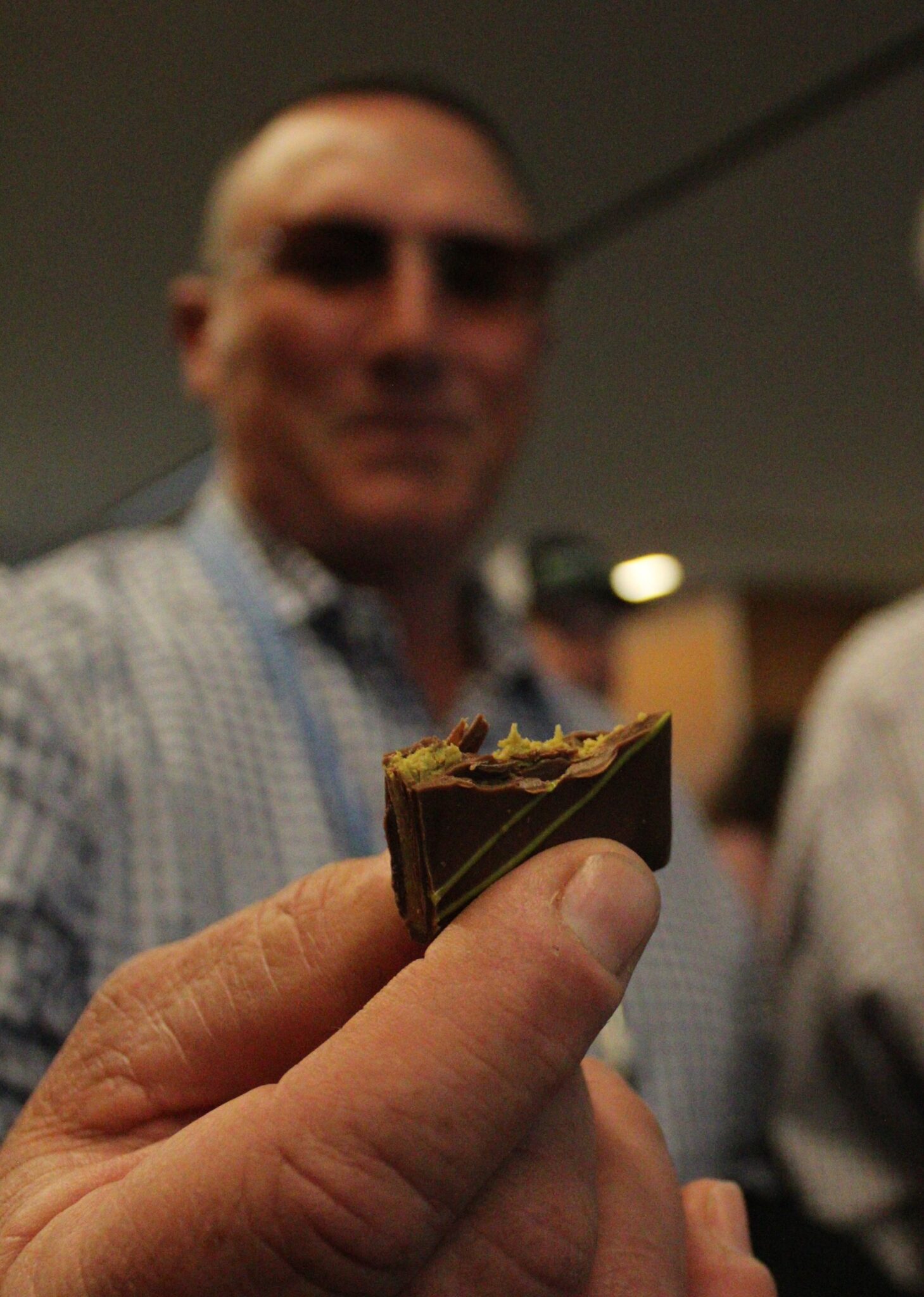
One recent example is the Dubai chocolate trend. Wonderful entered the confectionery category in 2025 with Chocolate Sea Salt and Chocolate Toffee pistachios and added Dubai chocolate-covered pistachios in 2026. Anzaldo said consumer response has exceeded expectations. American Pistachio Growers also first highlighted the trend at its 2025 annual conference, where attendees sampled the popular Dubai chocolate bar featuring pistachio cream and knafeh, a traditional Middle Eastern shredded phyllo dessert.
Those new uses also make maintaining supply important during a short crop, particularly for companies that have developed products using pistachios as an ingredient.
“When your product’s an ingredient and in years like this where we have really a disaster crop, we have to ensure those customers that have invested in pistachios, they get the supply,” Anzaldo said.
Capacity and Quality
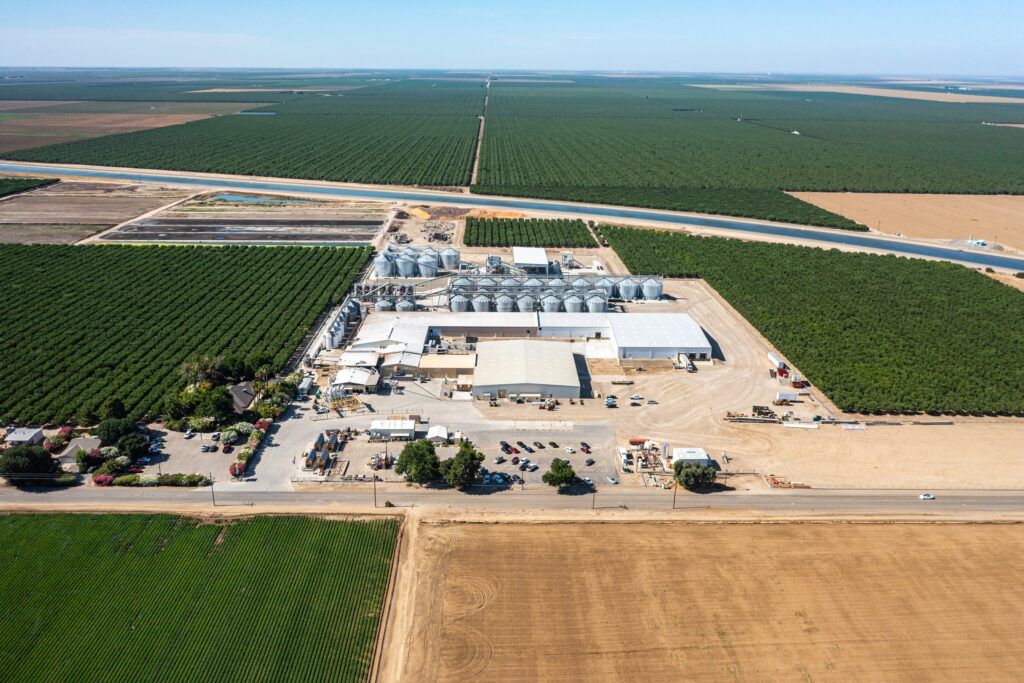
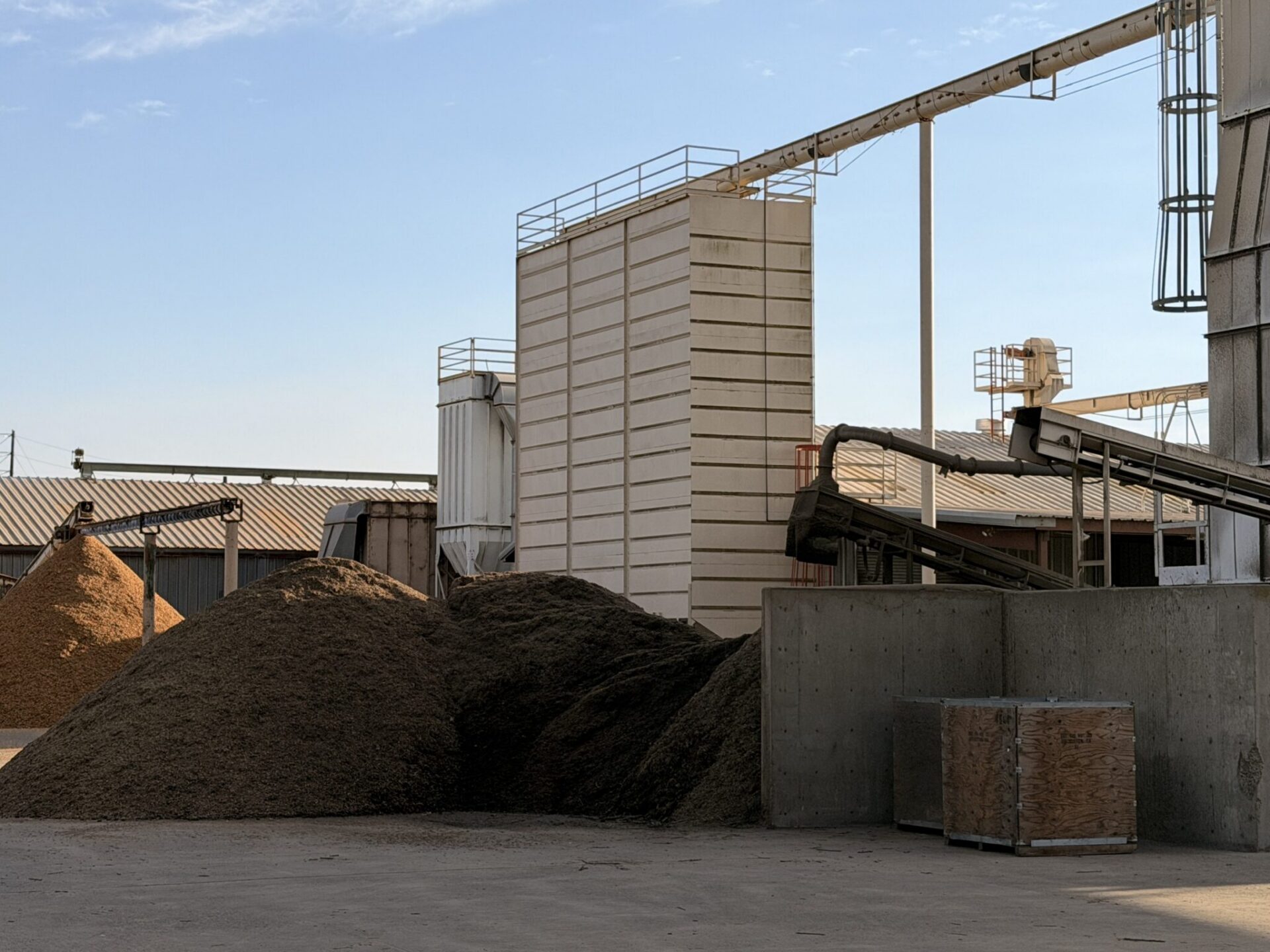
More production will also require enough processing capacity to handle larger crops.
Anzaldo said the pistachio industry has doubled in size over the past decade, while inflation, interest rates and labor costs have made it more difficult to build additional capacity. For growers, he said choosing a processor capable of handling larger crops will become increasingly important.
Without enough processing capacity, quality can suffer or nuts could be left on trees. Anzaldo said maintaining quality starts in the orchard, with good soil and water and effective pest and disease management. Wonderful works with more than 1,000 grower partners, sharing farming practices to help improve quality.
“Number one, it’s always focus on quality, and then focus on a relationship with your processor,” Anzaldo said.
Costs and Water Remain Concerns
Pistachios may be expanding, but growers are dealing with a lot of the same challenges facing the rest of California agriculture.
Anzaldo pointed to water availability, labor, inflation and higher input costs among the pressures growers are facing. Weather was also a contributing factor to the difficult 2026 crop, with heat during bloom affecting production.
Forbes also identified water availability and increasing production costs as concerns for growers in the years ahead. While pistachios can have advantages when it comes to water use, he said growers remain sensitive to reduced availability and rising costs. He added that APG plans to become more active in helping its members navigate those challenges.
Those costs also affect California’s ability to compete with pistachio-producing countries around the world.
“We must be cost competitive to remain relevant on the global stage, or other countries can begin to chip away at our market share,” Forbes said.
For now, the industry has to make it through a short crop while keeping the customers it will need when production increases again. Anzaldo expects supply to rebound in 2027 and said another record crop could be ahead.
With thousands of additional acres still coming into production, maintaining demand, quality and enough processing capacity will be important as California’s pistachio industry continues to grow.
Almonds: Fewer Acres, Higher Costs and a Push for Demand
California’s almond industry continues to adjust after several years of difficult grower returns, with acreage declining and production costs remaining high. Although prices have improved, growers are still working to recover from previous losses.
Mel Machado, chief agricultural officer at Blue Diamond Growers, said acreage removals are moving the industry toward a better balance between supply and demand. But he’s still troubled about orchards that remain standing despite receiving little or no care.
“My concern is not so much the acreage that’s been removed, it’s the acreage that’s still standing that has been neglected,” Machado said.
Some of those orchards have gone unharvested for multiple seasons, making it hard to determine how much of California’s reported bearing acreage is actually producing a commercial crop.
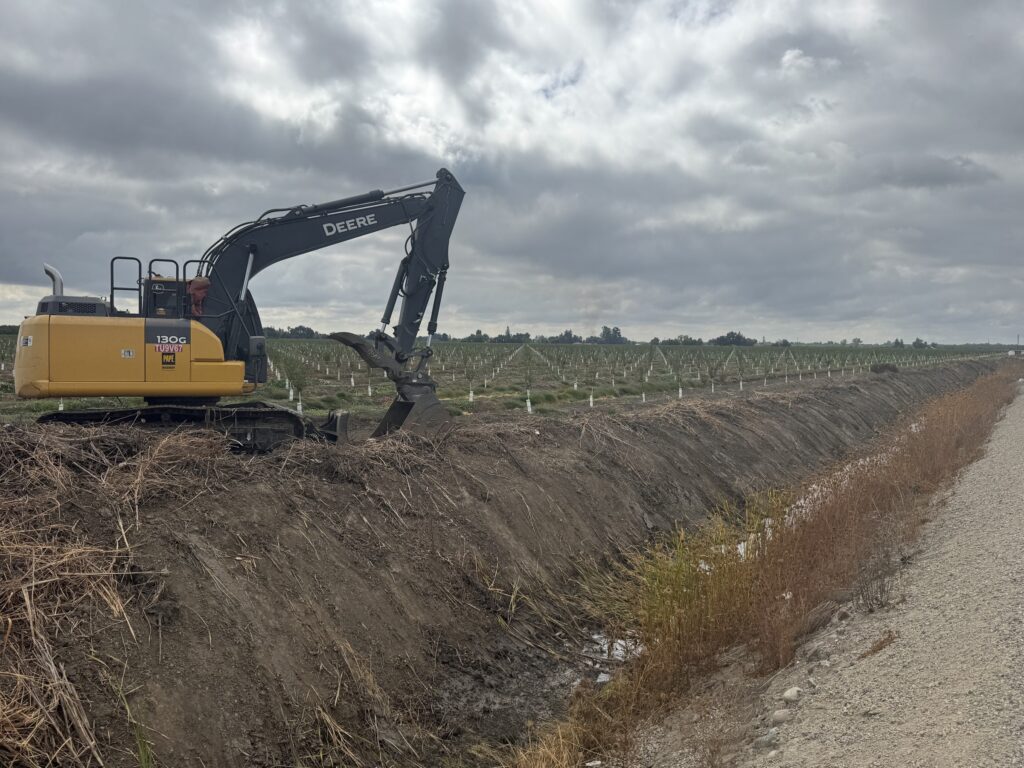
Machado said neglected and abandoned orchards also create problems for neighboring growers, particularly when it comes to navel orangeworm and disease pressure.
The industry has seen younger orchards removed as well, he said, including some planted during the rapid expansion of almond acreage that began around 2014. In some cases, growers who have been unable to afford the costs of maintaining an orchard can’t afford to remove them either.
“If you can’t afford to farm it, you can’t afford to make it go away,” Machado said.
Machado said the geography of almond production is already changing, particularly along the west side of the San Joaquin Valley, where acreage has declined. Meanwhile, new plantings continue in northern growing areas with more reliable water supplies.
Smaller Crop, Higher Costs
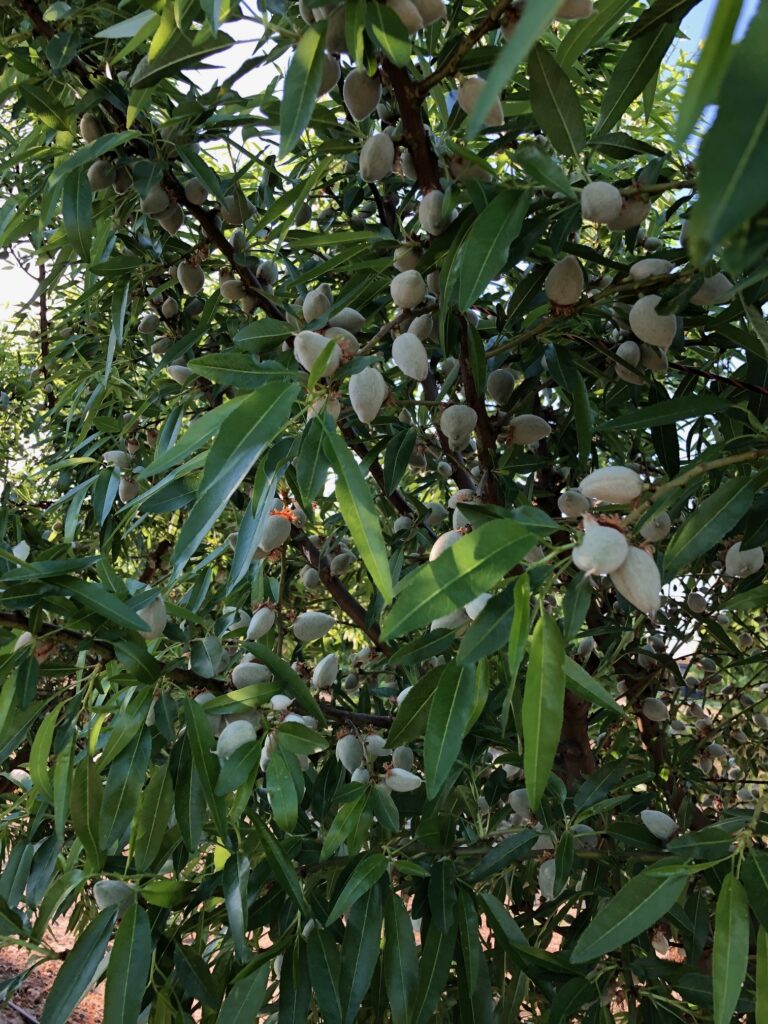
As expected, the 2026 almond crop is coming in below 2025 production, according to Machado. Rain during peak bloom restricted bee activity, while March temperatures contributed to smaller kernel sizes.
He noted that navel orangeworm damage has been among the lowest in several years, although plant bug damage continues to be a concern, particularly in orchards planted with the Independence variety.
During a Sept. 28 interview, Machado said almond prices were being discussed around $3 per pound, although he cautioned that higher prices don’t necessarily mean higher profits.
“When your yield is lower and your costs are up, the prices better be up,” Machado said. “And will they offset the cost? Will you get enough net revenue per acre to make it worth it?”
Fuel and fertilizer costs are a big concern, particularly for growers still trying to recover from several years of losses. He described the mood among Blue Diamond members as one of cautious optimism, particularly as growers watch how higher prices translate into actual returns.
Clarice Turner, president and CEO of the Almond Board of California (ABC), said grower profitability has to remain central to the industry’s long-term outlook.
“A healthy almond industry is one where growers are profitable, demand is growing and every part of the crop is maximized,” Turner said. “Sustainability starts with grower viability; if growers cannot remain economically viable, nothing else matters.”
Growing Demand at Home and Abroad
Turner said supply and demand are becoming more balanced, but continued demand growth will be necessary to support California almond growers.
ABC is working to increase almond consumption in the U.S. while continuing to build demand overseas. Domestically, that includes consumer marketing, ingredient innovation, bakery partnerships and culinary research aimed at creating more opportunities for people to eat almonds.
India is still a major opportunity for California almonds. Although it’s already the industry’s largest international market, Turner said ABC sees room for further growth through marketing and nutrition research, including studies on metabolic health and brain function.
More than 80% of ABC’s budget supports global demand programs, according to Turner.
“Demand growth cannot be taken for granted,” Turner said. “Consumer preferences are changing, trade remains uncertain and competition is intense.”
Turner said expanding into new markets and reducing trade barriers remain priorities. ABC is also looking for ways to increase the value of the entire crop, including finding new uses for almond hulls and other co-products.
Looking Toward 2027
As growers plan for 2027, Machado encourages them to understand their production costs and make careful decisions about where to spend money.
“Know your costs. Know your cost of production,” he said. “Don’t be afraid to spend the right dollar.”
That doesn’t mean cutting corners on practices that protect orchard productivity, particularly pest management and sanitation, Machado cautioned.
“You do not cut your costs to reach profitability,” Machado said.
Turner also identified efficiency and better decision-making tools as priorities for growers in the coming season. She pointed to AI-enabled yield prediction, nutrient budgeting calculators and precision agriculture as technologies that can help improve productivity and optimize inputs.
But she said growing demand will be just as important as improving efficiency.
“The challenge is ensuring global demand expands fast enough to create value for growers,” Turner said.
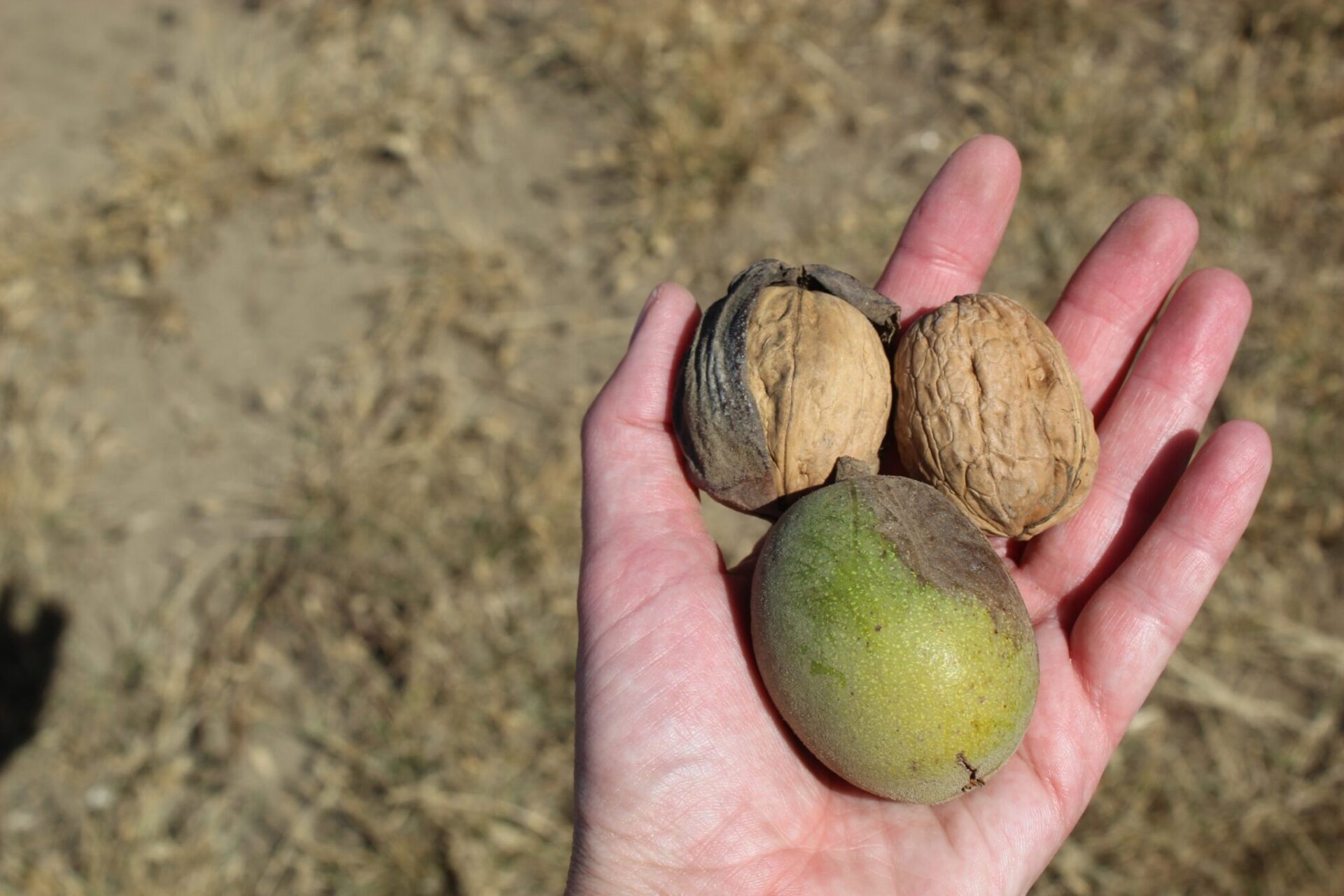
Walnuts: Smaller Crop Brings Hope for Better Returns
After several difficult years, California walnut growers are seeing some encouraging signs heading into 2027. A smaller crop, improving prices and strong demand are helping bring supply and demand into better balance. But high production costs and global competition remain challenges.
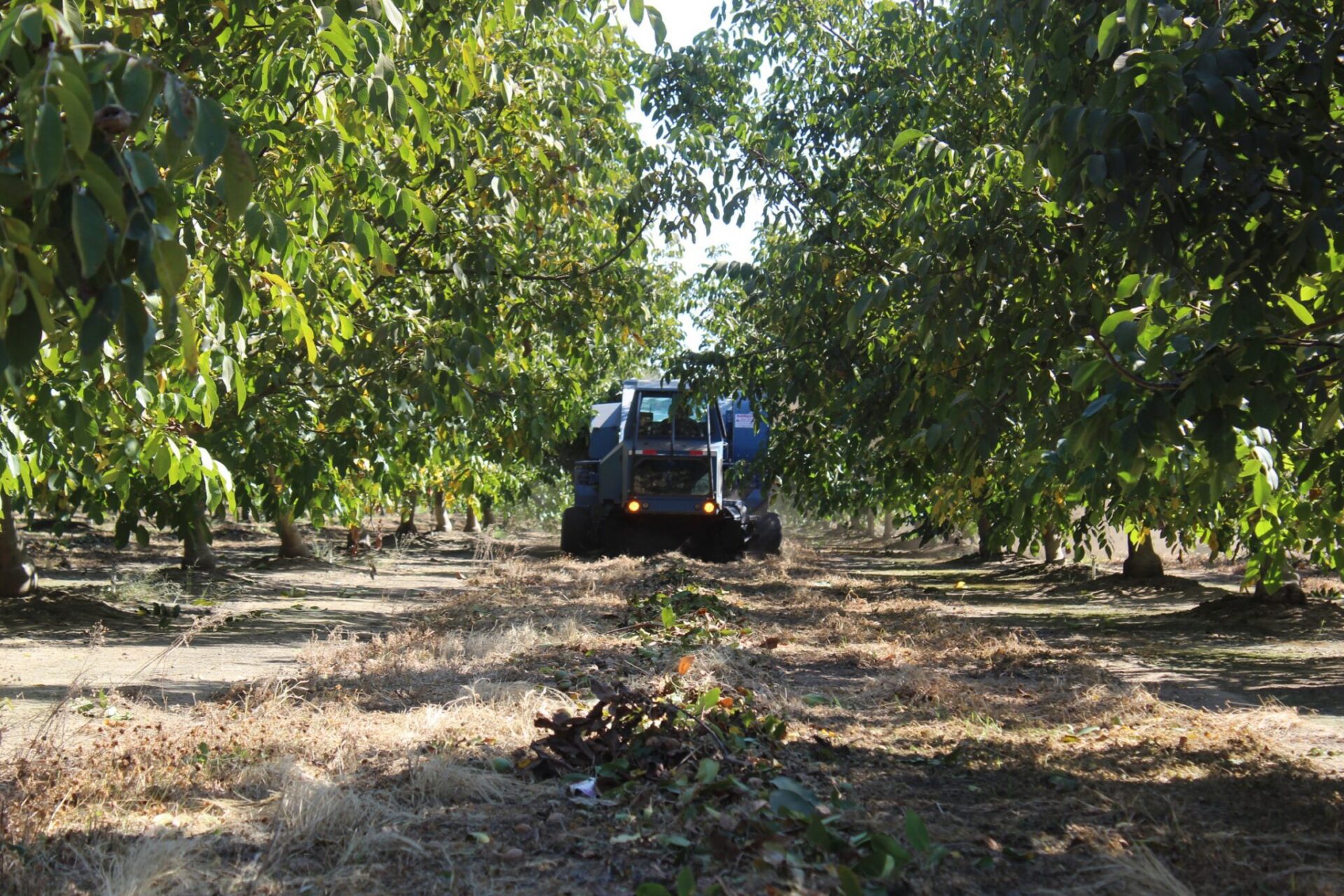
The USDA’s October crop estimate put California walnut production at 680,000 tons in 2026, down 16% from 809,000 tons last year.
Robert Verloop, president and CEO of the California Walnut Board and Commission, said existing inventory is largely presold, allowing newly harvested walnuts to begin moving into domestic and international markets.
Brock Middleton of Alpine Pacific Nut Co. said the crop received so far looks good, although production is trending about 20% below last year.
“The nut size is smaller this year, the color looks great, and we haven’t had any rain impacts, so customers can look forward to top California quality,” Middleton said.
The smaller crop could also help California processors focus on their established markets rather than competing as heavily with lower-priced walnuts from China.
Strong Demand, Better Prices
Middleton said global walnut demand has remained strong despite record production last year.
“We had the largest global walnut supply in history last year, and California was able to sell the entire crop,” he said.
With less production expected this year, Middleton is optimistic about grower returns.
“With the smaller 2026 crop and continuing strong global demand, we have seen pricing move up to start the season and expect higher prices to growers this year,” he said.
Verloop also sees positive signs in the domestic market. According to retail data provided by the California Walnut Board, U.S. walnut dollar sales increased 7.7% between 2022 and 2025. In the 52 weeks ending July 12, 2026, consumers purchased more than 60 million pounds of walnuts, with sales volume up 2.9% from the previous year.
Still, higher prices don't necessarily mean growers are profitable. Verloop said rising diesel and fertilizer costs, regulations and competition from other walnut-producing countries continue to put pressure on California operations.
Building Demand at Home and Abroad
Exports account for about 65% of California walnut shipments, according to Verloop, making international demand critical to the industry’s outlook.
Europe remains an important market for California walnuts. Middleton said European buyers recognize California's quality, food safety standards and sustainability practices, although price remains a factor.
California walnut kernel shipments to Europe increased nearly 27% during the 2025-26 marketing year compared with the previous year, according to California Walnut Board data. Middleton also pointed to a new European Union tariff quota that took effect July 1, 2026, allowing up to 500,000 metric tons of U.S. tree nuts to enter the EU duty-free. While the change provided limited benefit to the 2025 walnut crop, it could help make California walnuts more competitive in Europe going forward.
China and Chile remain major competitors in international markets. Verloop said the California Walnut Board and Commission have expanded their marketing efforts from nine core international markets to about 20, with support from federal export promotion programs.
At home, the California Walnut Board is working to increase consumption through retail, foodservice and food manufacturing. The organization is also promoting walnuts as a nutritious everyday food rather than primarily a baking ingredient.
Verloop said the industry's quality and nutritional benefits remain important selling points as consumer preferences change.
Looking Toward 2027
For growers, keeping production costs under control remains a major concern.
“Production costs are devastating to our growers right now from energy to inputs to labor, and we have to get these costs under control to have any chance to compete globally,” Middleton said.
Organic walnuts are another opportunity. Alpine Pacific reports continued strong demand and a price premium for growers in the organic market.
Verloop said maintaining California's reputation for quality while expanding markets will be important as the industry looks ahead. He also pointed to trade barriers, particularly in India, as an issue the industry hopes to resolve.
But Alpine Pacific sees opportunities ahead for growers who have managed to hang on through the difficult years.
“On the flip side, growers that are able to produce high quality in these difficult conditions will continue to be rewarded with significantly better pricing,” Middleton said.
Originally published in the October / November 2026 issue of West Coast Nut, beginning on page 30.
From the Orchard
to Your Next Good Decision.