California walnuts have earned a global reputation for quality. Yet as the California walnut industry faces increasing competition and evolving customer and consumer expectations, success depends more than ever on delivering a positive eating experience every time someone opens a package of California walnuts. That reality has sharpened the industry's focus on quality and condition, particularly rancidity.
Rancidity occurs when the fats naturally present in walnuts oxidize over time. Because walnuts contain healthy unsaturated fats (a 1-ounce serving provides 18 grams of total fat, including 2.5 grams of monounsaturated fat, 13 grams of polyunsaturated fat, including 2.5 grams of plant-based omega-3 ALA, and 1.5 grams of saturated fat), they are particularly susceptible to oxidation if proper handling procedures and storage temperatures are not maintained at every stage of the supply chain.
The challenge itself is not new; rancidity has been discussed within the walnut industry for more than two decades. However, clearly defined product solutions that support consistent quality from harvest through consumption are inconsistent. Historically, nearly every walnut produced found a home, time in market was shorter, long-term storage was not needed, global supply and demand were in balance and much of the crop was sold inshell. Today, the pathway to the consumer has gotten longer, storage times have grown longer, and consumption patterns have shifted from inshell to more convenient kernels in raw formats, value-added products and baked goods. While demand has expanded, the lack of a consistent eating experience may have been overlooked as growers and handlers focused on satisfying trade demands without acknowledging the increased consumer demand for premium standards.
Consumers may not know the science behind oxidation and chemical indicators of rancidity, but they know when walnuts don’t taste fresh. If their experience is disappointing, they are less likely to purchase walnuts again. In today's marketplace, where consumers have numerous snack and food options, the California walnut industry cannot afford that outcome.
Instead, the industry must continue to work to ensure consumers have a consistently positive eating experience with California walnuts. If consumers enjoy the taste and freshness of walnuts, they are more likely to purchase them again. Those repeat purchases can lead to greater category growth, expanded product offerings and stronger demand, ultimately driving grower prosperity.
Rancidity Task Force Established to Advance Solutions
Recognizing the importance of minimizing rancidity, the industry established a Rancidity Task Force (RTF) through the California Walnut Board (CWB). The RTF comprises 15 industry representatives, including handlers and growers, from multiple walnut-growing counties. Members of the RTF collaborate with researchers, retailers and supply chain experts to address key industry challenges related to rancidity, with the goal of maximizing shelf life and improving consumer perceptions of walnuts.
To achieve this goal, the RTF has established several priorities, the first being developing rancidity standards for the California walnut industry. To do this, the RTF is focused on evaluating current knowledge, identifying data gaps and driving science-backed innovation to develop practical standards that support consistent product quality throughout the supply chain. The group is also investigating new methods for rapid rancidity assessments that provide more direct indications of rancidity when compared to current methods.
Additional priorities are focused on improved education and implementation of industry and trade best practices to minimize rancidity and raising consumer awareness about storing walnuts in the refrigerator or freezer. Pre- and postharvest practices will be analyzed in depth, along with efforts that can be taken by the consumer. The CWB’s Quality Improvement Program (QIP) will monitor the quality of walnuts at retail supermarkets across the United States to capture and quantify what consumers are experiencing at the point of purchase to identify opportunities for improvement across the supply chain.
Another priority is informing an industry-wide strategy to implement 'Best If Used By' labeling and shelf-life guidelines. The QIP has highlighted opportunities to evaluate packaging innovations and strategies that may further preserve freshness. More convenient package formats, resealable bags and appropriately sized package options can all contribute to a positive eating experience and support improved sales velocity. The faster the package moves through the supply chain, and the sooner walnuts are consumed, the fewer opportunities there are for walnuts to oxidize.
Importantly, the RTF’s focus extends beyond understanding the science of rancidity. Instead, the RTF is helping shift the conversation toward solution-based and outcome-oriented approaches that provide value not only to consumers, but also to growers and handlers.
Addressing Quality and Rancidity Now
While the RTF works to establish industry best practices for minimizing rancidity, there are general management practices the industry can continue to follow to improve overall walnut quality and condition.
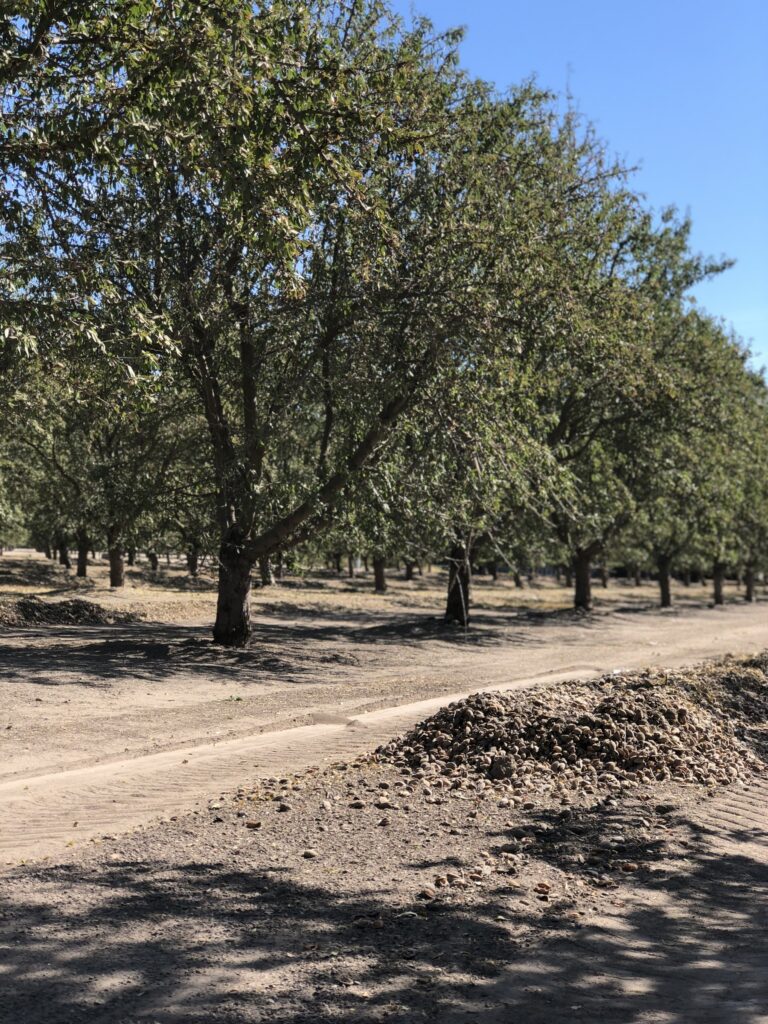
Quality begins in the orchard, where University of California Cooperative Extension research has shown that irrigation management, orchard management practices and canopy vigor and overall tree health can all influence kernel fill, shrivel and pellicle color during critical periods of kernel development. Both under- and overirrigation can negatively affect these attributes, reinforcing the importance of season-long management. While we know maintaining high production standards can be increasingly challenging and costly, consistent attention to orchard management remains critical to producing the premium-quality walnuts that help California compete in the global marketplace.
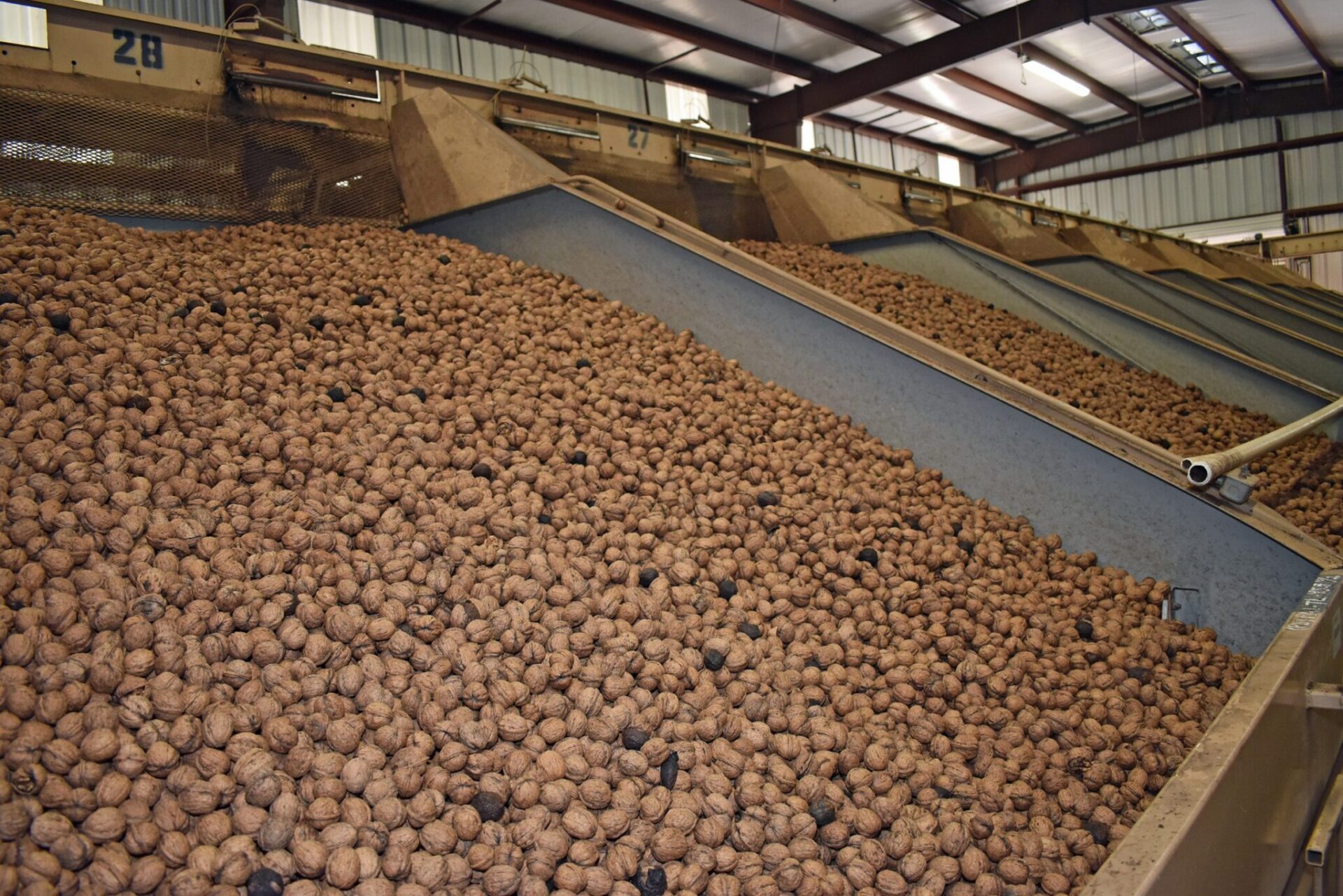
Timely harvest and hulling also help preserve kernel appearance and condition, while proper drying and temperature management are essential for maintaining freshness and flavor. Throughout processing, sorting and quality-control procedures help remove off-quality product and promote consistency across shipments. Cold storage and refrigerated transportation are equally important, helping protect kernel color, freshness and flavor throughout distribution. Together, these practices support the qualities consumers and buyers expect from California walnuts while protecting a long “taste-life” — a concept that moves beyond the need to maintain shelf life and places additional focus on maintaining flavor and a positive eating experience.
Reducing rancidity is not simply about preventing a defect; it is about removing one of the most significant barriers to increased walnut consumption. When consumers consistently enjoy the taste, texture, freshness and quality of California walnuts, they elevate their perception and real value of walnuts and are more likely to purchase walnuts again, increasing demand and creating greater value for growers, handlers and the supply chain. By continuing to invest in quality improvement and minimizing rancidity, the California walnut industry can improve consumption and consumer satisfaction to drive long-term sales growth and strengthen profitability.
Originally published in the October / November 2026 issue of West Coast Nut, beginning on page 40.
From the Orchard
to Your Next Good Decision.