Orchard tree crops in California are at risk from long-term smoke exposure from megafires. Jessica Orozco, a postdoctoral fellow at Stanford, and Maciej A. Zwieniecki, a professor in the Department of Plant Sciences at UC Davis, were involved in the study Megafire Smoke Exposure Jeopardizes Tree Carbohydrate Reserves.
The study found that smoke from the 2020 megafires reduced the amount of sunlight available for photosynthesis, contributing to a significant drop in tree carbohydrate reserves.
Collecting and Analyzing Tree Samples
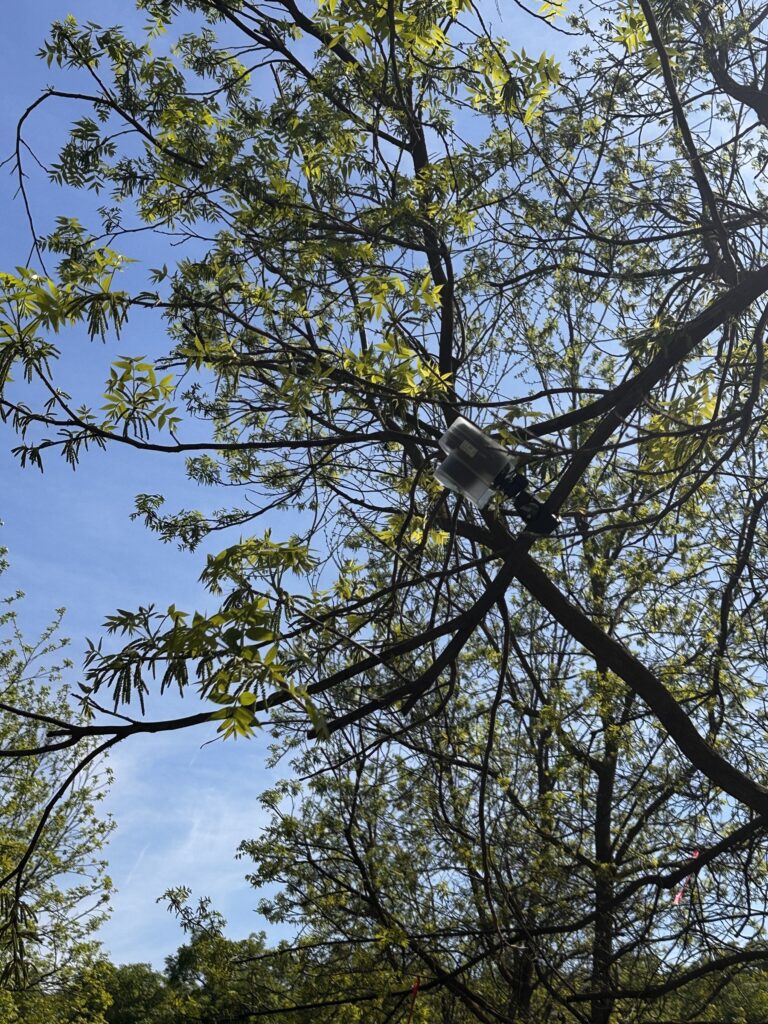
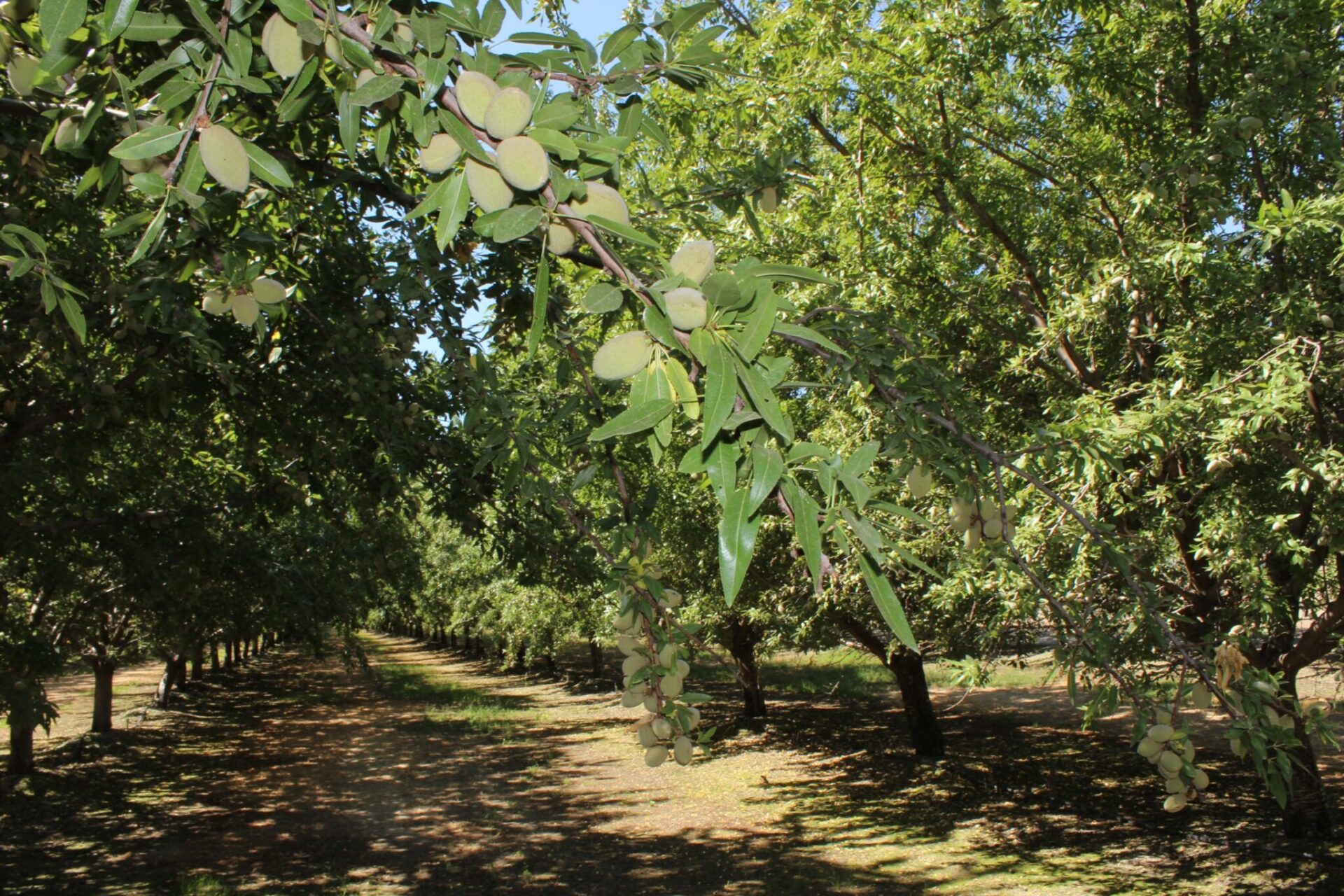
Zwieniecki started collecting monthly samples from various orchards in 2017 and continues to do so.
“These are the non-structural carbohydrates, meaning sugars that are being stored by trees before entering the winter, and are needed to survive the winter,” Zwieniecki said.
By collecting and analyzing sugars over time, the researchers identified a seasonal pattern. Prior to dormancy in the fall, nut trees accumulate sugars and starches that provide stored energy through winter and into bloom in the spring.
The study looked at almonds, pistachios and walnuts. Obtaining reliable yield information for all three crops, however, has been challenging.
“The problem was that the quality of information regarding the yield is very low for walnuts and pistachios. Pistachios are dominated by one company that doesn't want to share data, and walnuts are dominated by small growers, and they don't want to share data either,” Zwieniecki said.
He added that growers and companies are reluctant to share yield information because they compete with one another and consider the information proprietary.
Extended Smoke
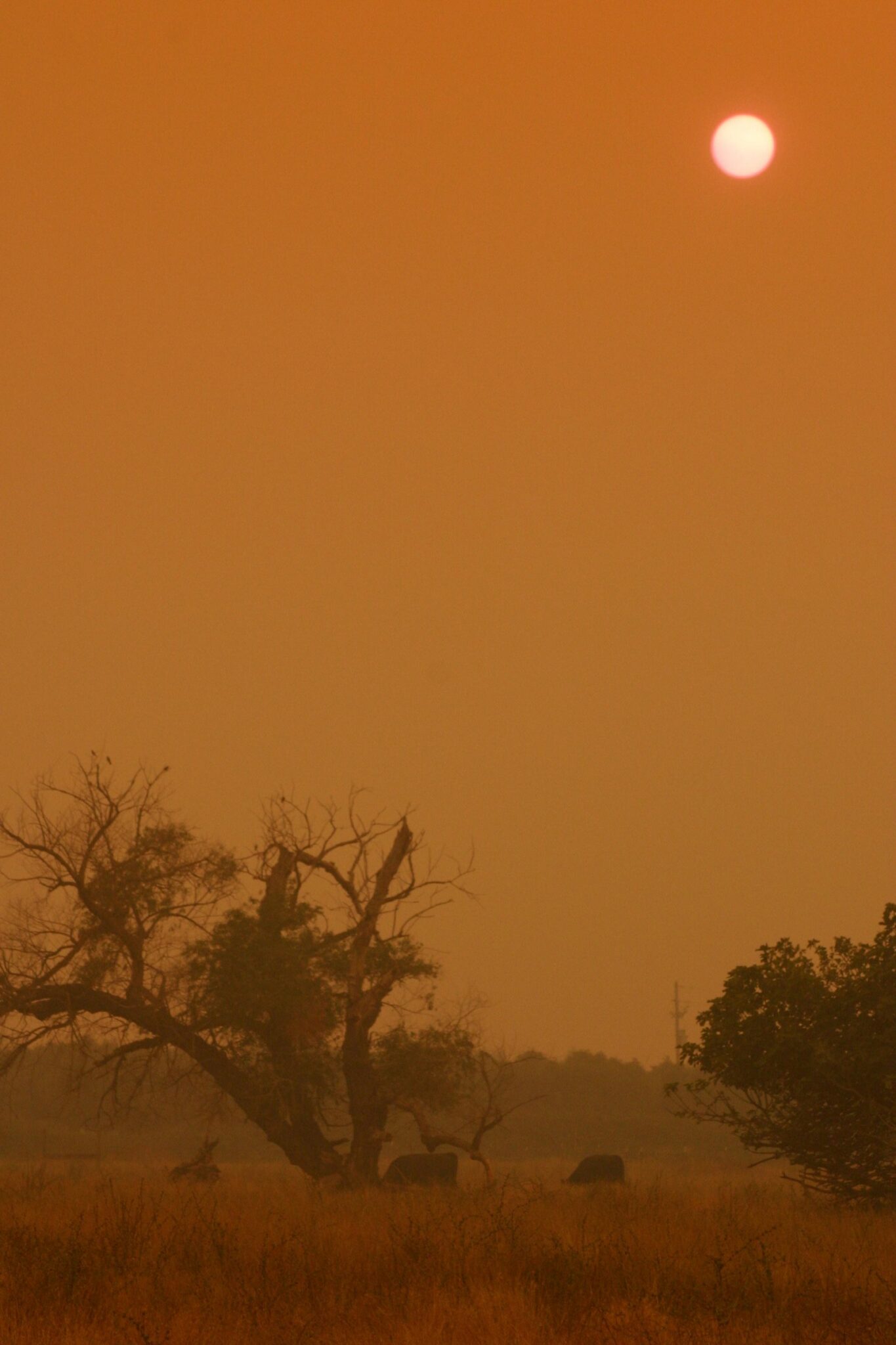
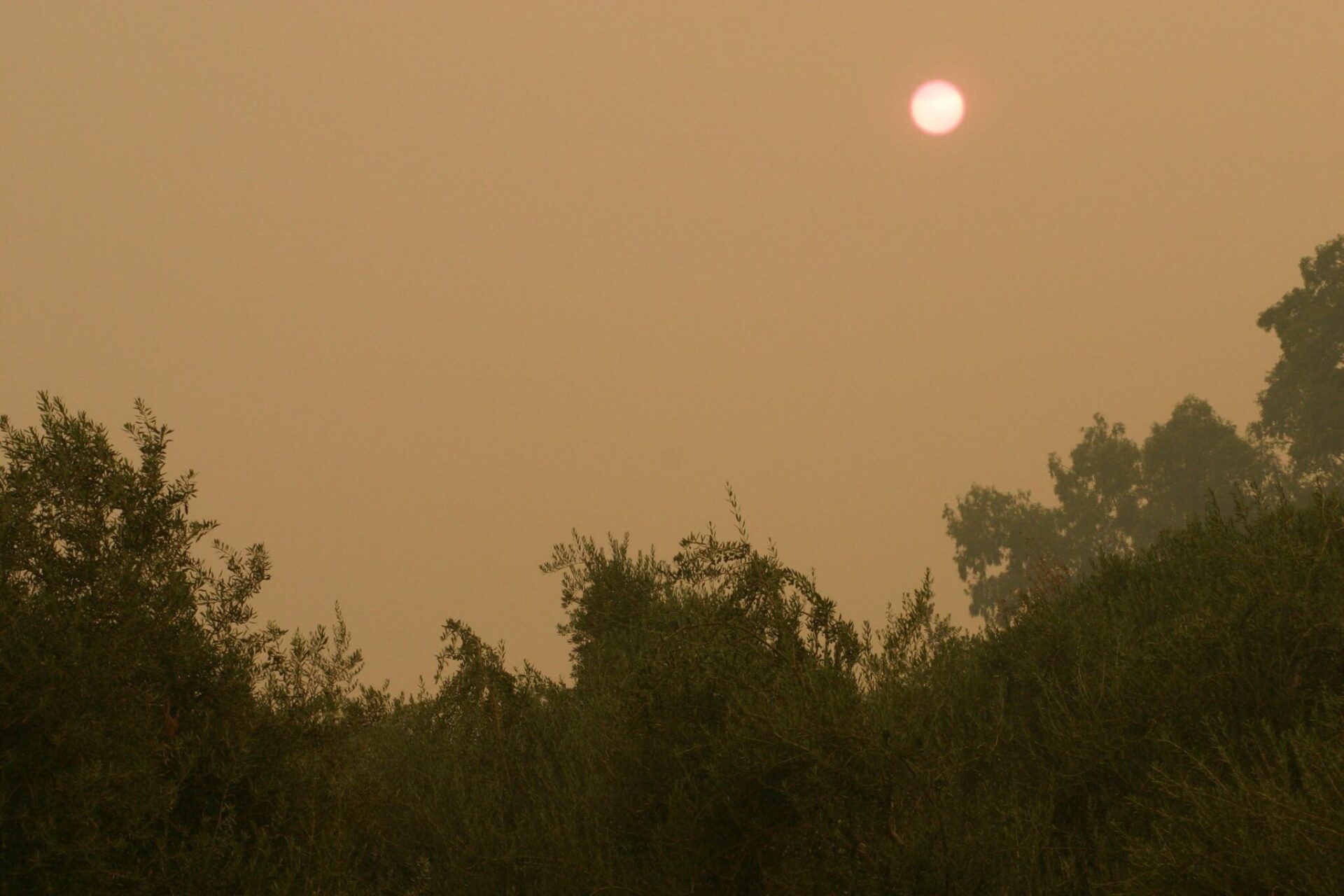
After the 2020 wildfires, Zwieniecki and Orozco wondered whether the effects of smoke could be detected in orchards because the Central Valley had spent extended periods under heavy smoke. With years of data on tree carbohydrate levels already available, they decided to investigate whether prolonged smoke exposure had affected the orchards they had been sampling.
“It was basically a side project and more to learn how to use remote sensing in research. We weren't necessarily expecting much, but then we saw there was a huge impact on the amount of starches and sugars collected from the trees,” Orozco said.
The researchers found a reduction in starches and sugars. The timing of the smoke was particularly important because exposure that coincided with the period when trees were accumulating carbohydrate reserves for dormancy had a greater impact.
“It was probably due to photosynthesis, but which aspect of photosynthesis we weren't able to determine because there were multiple factors. During that period there was a lot of ash, so it could have been the deposition on leaves, but we didn't measure that or look at that. Or it could have been something with the biochemical processes due to the pollution,” Orozco said.
Impact on Trees
Smoke can potentially affect trees in several ways, from reducing available sunlight to depositing ash on leaves and interfering with stomatal function.
“There was also increased ozone content in the air at lower elevations near the ground, likely due to the fires, and those levels were unusually high. Ozone gets taken up through the stomata and triggers oxidative stress inside the leaf, which signals the stomata to close prematurely, so the trees can't photosynthesize normally,” Zwieniecki said.
The researchers were unable to determine which aspect of smoke exposure was most important in reducing photosynthesis.
Yield Decline
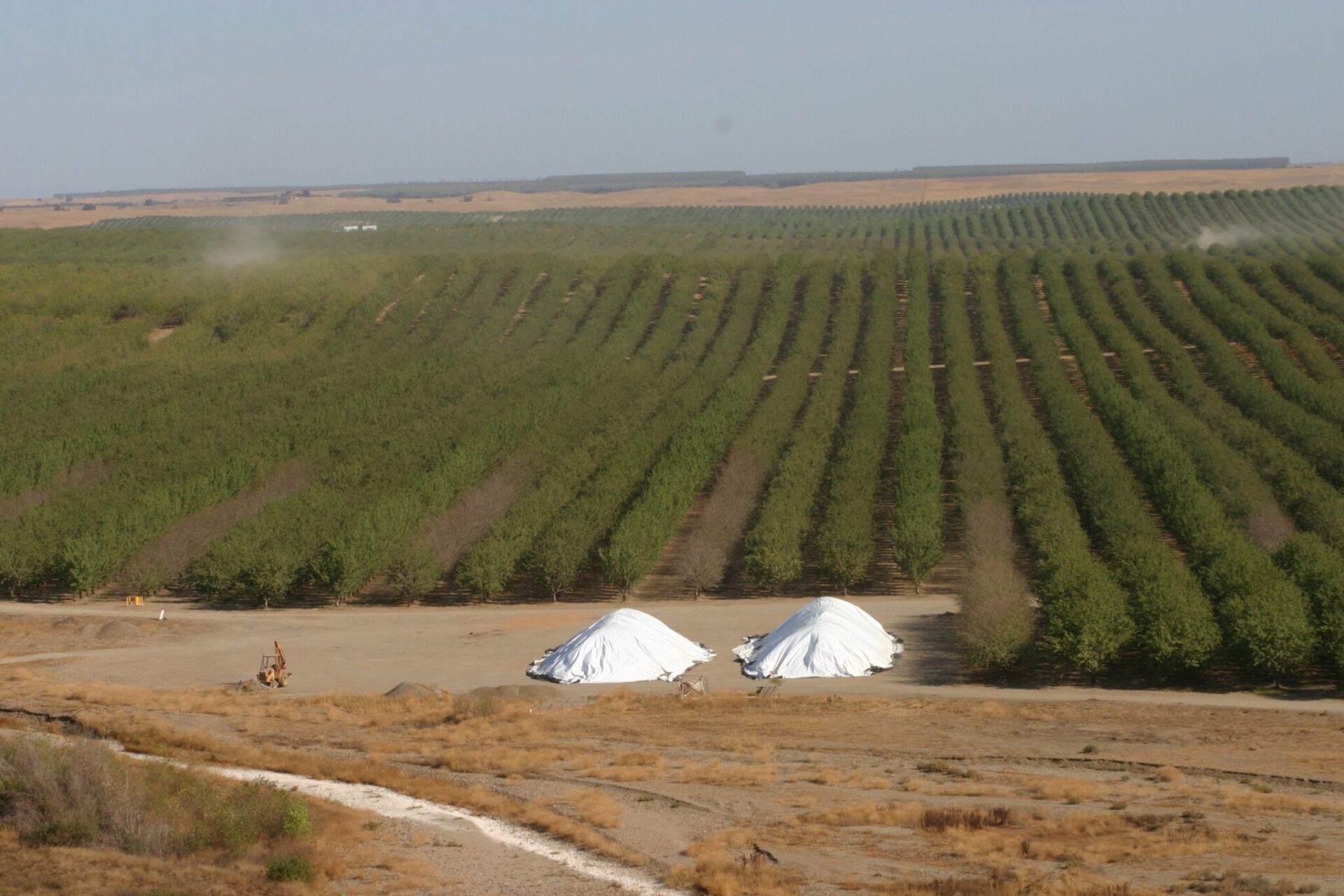
The effects continued long after the smoke cleared. When Zwieniecki and Orozco evaluated yields the following year, they found declines ranging from 20% to 50%, depending on how close the orchards were to the fires.
“We were really surprised,” Orozco said. “I mean, it's not something that's generally looked at because when we think of wildfires, usually it's measured in fire damage and acres burned, not the amount of smoke. You never really think about the smoke shadow to areas that are adjacent. And this is particularly important in the Central Valley because it is a valley, and it accumulates and deposits there.”
Recovery
The massive fires of 2020 and 2021 raised questions about whether repeated smoke exposure could have a cumulative effect on orchards. Zwieniecki said one of the most intriguing observations, which wasn't included in the published research, was that recovery from those fires appeared to take multiple years.
Timing and Smoke Density Matter
Not all smoke exposure has the same effect. There is evidence suggesting that light smoke can increase photosynthesis, while heavy, dense smoke can have the opposite effect.
“I think there is some point where the benefits drop off, but we don't exactly know where that is, and it's also kind of complicated because it could be the density, but also the makeup of the smoke,” Orozco explained.
Light smoke can diffuse sunlight, allowing more of the tree canopy access to light. Dense smoke reduces the amount of available light and also contains more chemicals, and the composition of those chemicals depends on what is burning.
“In Willamette Valley, there is a lot of smoke related to the cyclical grass burning, which is rather short-term exposure we think,” Zwieniecki said.
Prolonged fires in the mountains can leave orchards exposed to smoke for 15 to 20 days or longer. Zwieniecki and Orozco found that the timing of that exposure matters.
Smoke in May or June was less critical because new leaves still had time to photosynthesize. Smoke exposure in August and September, a more common time for prolonged wildfire smoke, had a much greater impact because it coincided with the period when trees were preparing for winter.
Grower Participation
Growers play an important role in providing samples for the ongoing research.
“We also rely on the participation of growers, so a lot of the samples are actually sent in on a monthly basis by growers. We do some sampling on our own, but it's impossible to do everything ourselves,” Orozco said.
Growers send twig samples because carbohydrate levels in leaves are too variable. A leaf collected in the morning can have very different carbohydrate levels from one collected in the evening. Leaves also aren't the primary storage tissue researchers are interested in for winter survival because they are shed during dormancy.
The researchers also tried to collaborate with growers in Oregon's Willamette Valley to study the effects of smoke on hazelnuts but found it difficult to collect enough samples.
What Can Growers Do?
Unfortunately, there isn't a practical way for growers to replace the sunlight trees lose during prolonged periods of heavy smoke, Zwieniecki said.
He continues to collect samples, building the long-term data set that made it possible to identify the effects of the 2020 fires in the first place. When another significant wildfire smoke event occurs, researchers will have additional data available to investigate its impact on orchard trees.
Originally published in the October / November 2026 issue of West Coast Nut, beginning on page 10.
From the Orchard
to Your Next Good Decision.