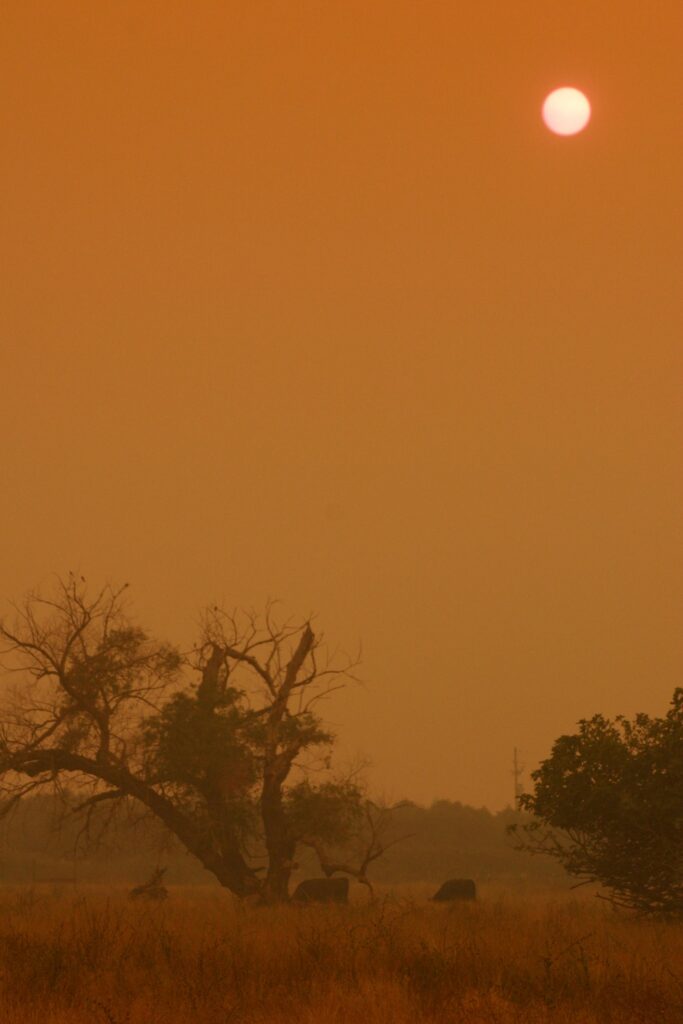
Consistent, high production is the goal for California pecan growers. Environmental challenges that stand in the way of achieving that goal include heat events, drought and salinity as well as pests and diseases.
“Trees for the Future,” a genetics-based research project, began in 2022 with a long-term goal of providing pecan growers in all U.S. growing regions with cultivars and rootstocks that can withstand environmental challenges while producing high yields. With a USDA NIFA Specialty Crop Research Initiative grant, the multi-year project will accelerate breeding of pecan trees for the future.
The research team of 26 scientists comes from several institutions, including New Mexico State University, University of Arizona, University of California (UCANR), Texas A&M, University of Oklahoma, University of Georgia, three USDA research sites, HudsonAlpha Institute of Biotechnology and the University of Tokyo. Leading the research effort is Jennifer Randall from New Mexico State University. Karlene Hanf from Mid Valley Pecan in Denair sits on the advisory board. UCCE farm advisor Elizabeth Fichtner in Tulare County serves as a principal investigator.
Pecan trees are known for their production longevity as well as an extended period from planting to full production. Lack of winter chill, saline conditions and disease pressure are environmental stressors that affect production especially in the West and Southwest.
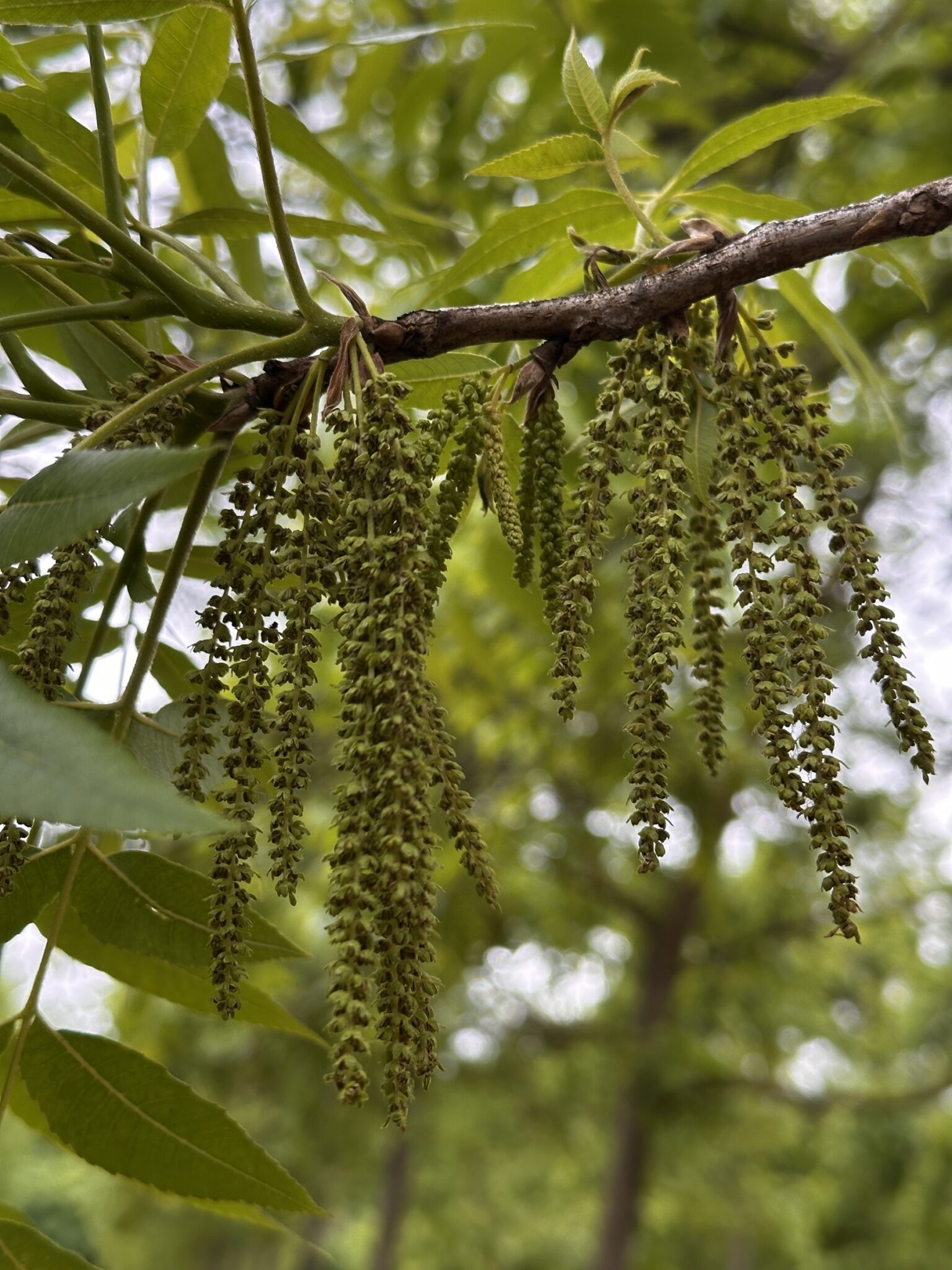
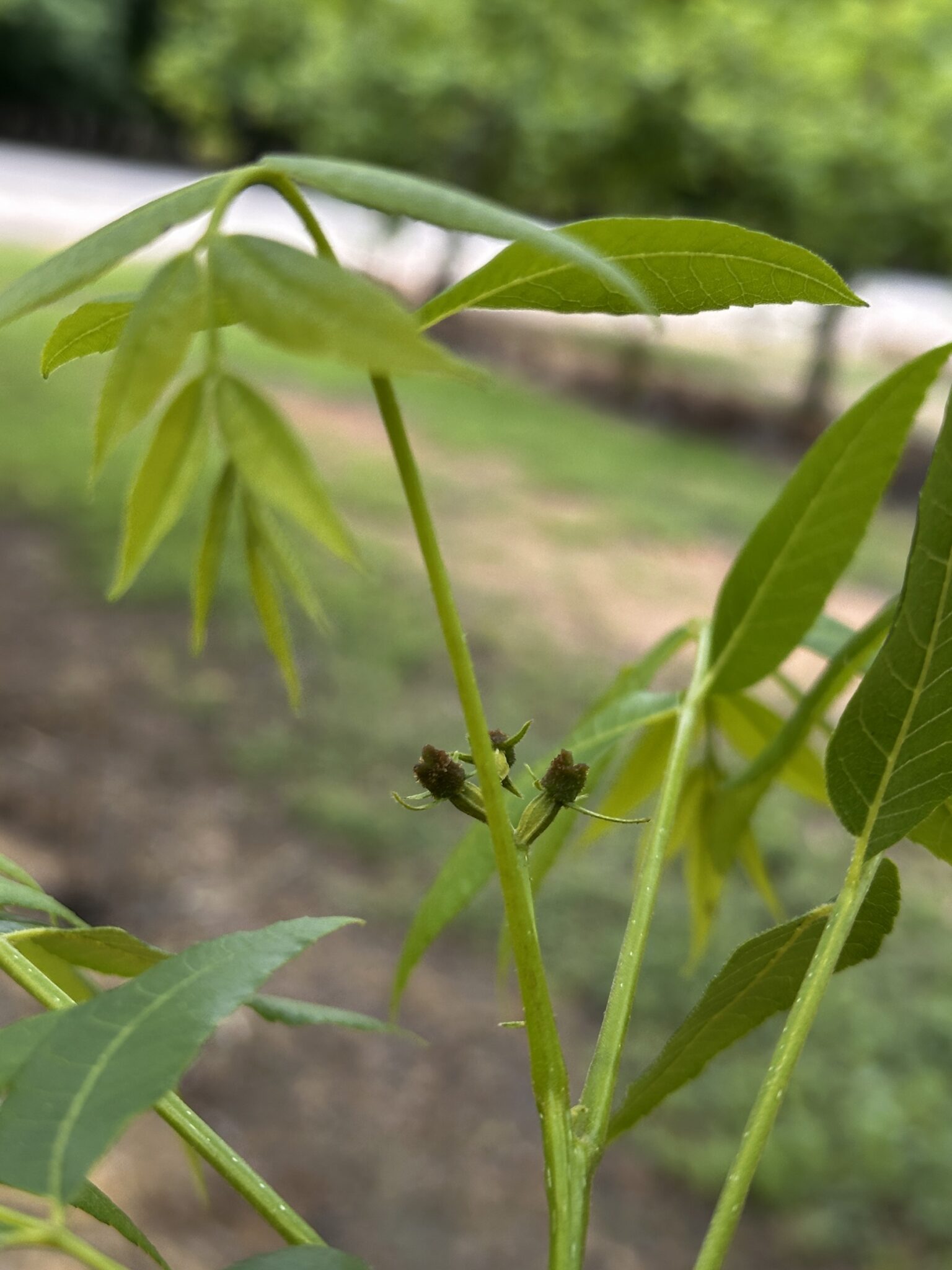
When the grant was announced, Fichtner wrote that climate conditions in California, including low winter chill, may affect overlap of female and male bloom and affect crop productivity. Current strategies to overcome this include using multiple pollenizer varieties in orchards. In Tulare County, which has more than 1,000 acres of pecan trees, growers have relied on ‘Western’ and ‘Wichita’ varieties to ensure pollination.
Assess Timing
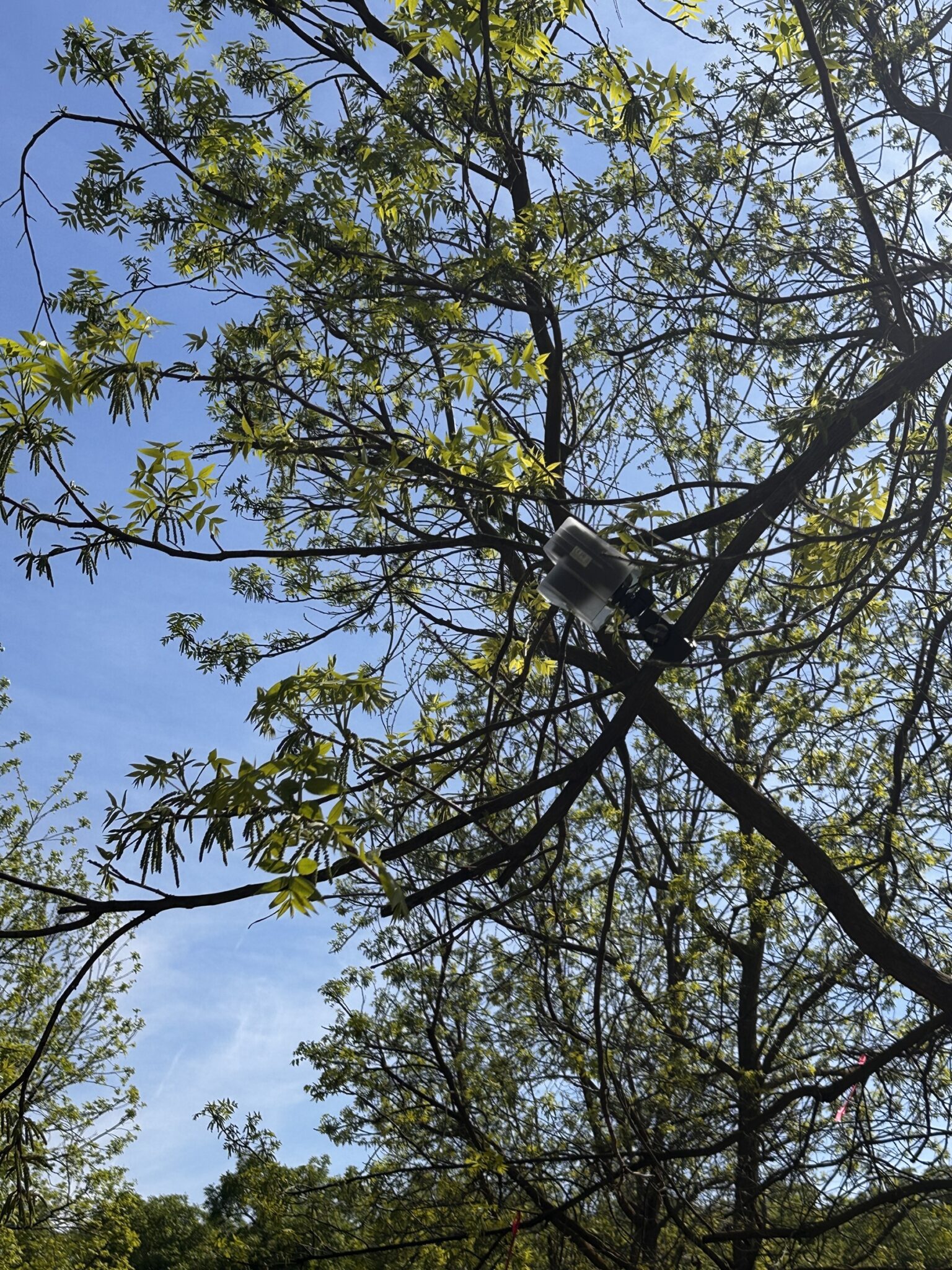
One of the goals of this project is to assess the timing and overlap of the male and female bloom of coplanted varieties over years with different climate conditions. Bud break, shoot development and bloom of many cultivars have been assessed to provide the phenotypic data that is being used by geneticists in the development of pecan varieties for the future. Aphid damage, leaf scorch and vivipary evaluation are also part of the project.
Hanf said that in California, drought conditions and salinity are the main challenges in pecan production. Her list of needs for ‘Trees for the Future’ includes lower water use, salt tolerance and consistent production of 4,000 pounds per acre. Aphid resistance and elimination of alternate bearing are also needed.
The first objective of the project was to generate a more complete database of pecan genomic variation. This part is nearly complete. This resource for the pecan research community will permit detailed analysis of the function of presence/absence variants. This includes updating existing genomes and generating new pecan genome information.
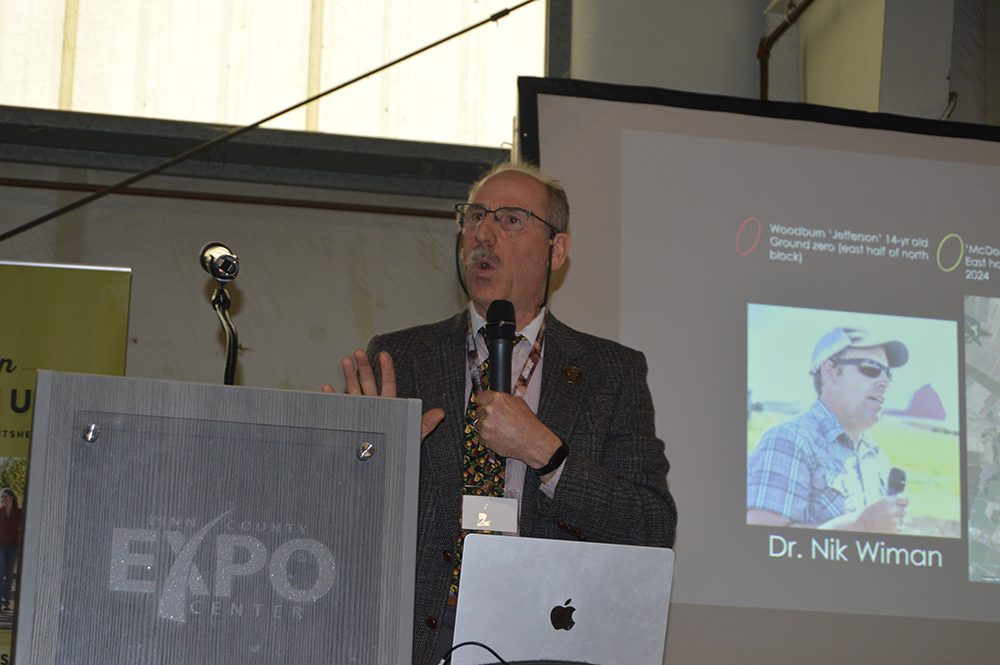
Randall, in an update on the project’s progress, said that phenotypic data including bud break timing, pistillate flower development, staminate flower development and receptivity was collected for ‘Wichita’, ‘Western’, ‘Lakota’ and ‘Kanza’ across growing regions from 2023 to 2026. This data will continue to be collected and analyzed. Randall said they are finalizing a manuscript using images from the phenotypic data collected on bud break throughout the U.S. and have made an AI pipeline to analyze the images and determine timing.
Finally, she wrote, the team will define polymorphisms that can be used for marker-assisted selection.
Water Use Research
Researchers also conducted work to describe the physiological differences in water relations among pecan genotypes. Interaction of pecan rootstock genotypes with scions and the interaction of hickory rootstocks with pecan scions is being analyzed and will be published.
The Randall lab has developed a technique for micropropagation, acclimation and growing of clonal pecan rootstocks, which allows for replication in a genetic system. In the update, Randall said existing and newly generated scion/rootstock combinations were challenged with drought in field conditions using an existing microsprinkler system. These trees were used to measure gas exchange, photosynthesis and stomatal conductance. In addition, gene expression studies were conducted to show how each rootstock/scion responds to drought. Analyses of these studies are being finalized and will soon be published.
With information from an earlier study, Randall said they found seedlings with maternal “Elliott” parentage exhibited greater tolerance for alkaline and saline sodic conditions. In this study, Elliott trees from the salinity study in Arizona and open pollinated seedlings were successfully introduced into tissue culture and propagated. Salinity assays were conducted under tissue culture conditions. Genetic analysis was used to compare salt stressed plants and control plants. Randall said findings for salinity tolerance in specific pecan genotypes will be shared with the pecan industry. Propagated trees will be used in greenhouse salinity studies followed by a field salinity study.
Pest and Disease Resistance
Another objective in this study is characterizing interactions of pecan trees with beneficial and harmful organisms for improved tree health, reduced pesticide applications and increased production. In the Southeast, the single most important biological constraint to pecan production is scab. Growers often apply up to 20 fungicide treatments to protect susceptible cultivars. This study explored the interactions between the host and pathogens on a molecular scale. While scab is not an issue in California pecan production, aphids are. Researchers are studying the role of pecan allergen proteins in plant defense. Trees are being screened for resistance to aphids or specific aphid populations. The trees that are identified will be used to determine the genetic markers associated with pecan tree resistance. The findings will be made available to the pecan industry and used for future plant breeding.
Breeding for Nut and Tree Traits
Pecan kernel and nut shape variations are also part of the study. Randall writes that pecan nut shape is highly heritable, which will enable improvement through breeding. She notes that nut traits cannot be phenotyped during the immature period in pecan trees, making it imperative to use genetic markers to predict nut quality. Size control in pecan is a desirable trait, Randall notes, and understanding the genetics is imperative to control tree size.
Grower Outreach
This research project includes outreach to pecan grower-association conferences and workshops. Video talks explaining peer-reviewed journal articles to growers and others in the pecan industry are being produced and are located at pecantoolbox.nmsu.edu
The pecan toolbox was updated over the past year with information for growers. In addition, social media accounts were made for “Trees for the Future.” Posts have included photos, text and video of the research and historical notes on pecan research and production and researcher profiles.
Two animations, “Pecan Life Cycle” and “Pecan Breeding and Genetic Analysis,” have been completed. Randall said outreach efforts will continue through traditional grower conferences.
Originally published in the October / November 2026 issue of West Coast Nut, beginning on page 42.

Cecilia Parsons
Cecilia Parsons has lived in the Central Valley community of Ducor since 1976, covering agriculture for numerous agricultural publications over the years. She has found and nurtured many wonderful and helpful contacts in the ag community, including the UCCE advisors, allowing for news coverage that focuses on the basics of food production.
She is always on the search for new ag topics that can help growers and processors in the San Joaquin Valley improve their bottom line.
In her free time, Cecilia rides her horse, Holly in ranch versatility shows and raises registered Shetland sheep which she exhibits at county and state fairs during the summer.
From the Orchard
to Your Next Good Decision.