Weather forecasters have been issuing warnings about the threat of a strong El Niño event since early summer. This weather event is the warm phase of a natural cycle known as El Niño-Southern Oscillation that occurs every two to seven years in the tropical Pacific Ocean. Some preceding El Niño forecasts have rolled in as expected, while others have either been spot on or less than expected.
Daniel Swain with the California Institute for Water Resources writes in an August 2026 newsletter that El Nino events directly affect local climate in the countries closest to the unusually warm ocean waters. Swain stresses that even a strong El Nino forecast does not guarantee specific outcomes in California. This year’s strong event, he predicted, will likely result in a strong tilt in the odds toward a wetter than average winter, particularly in the central and southern portions of the state. Peak impacts are expected by November or December and possibly lingering through March.
With that information, how should California tree nut growers prepare for this unusually wet possibility? It’s not easy to plan for the future when harvest is still underway for many growers, but the extra effort could very well pay off this year.
“Plan ahead as always, but this year, especially, include a worst-case scenario,” UC farm advisor Franz Niederholzer said. Taking a close look now at site drainage, erosion risk, locations where machinery and equipment can be safely parked, chemical locations and infrastructure safety can make effective action easier when a storm hits, he said. “With a plan in place in the event of heavy storms and/or flooding, you should be better prepared whatever the conditions. Given the potential downside(s) of a very wet winter, it is worth considering. Finally, reviewing your flood insurance policy could pay off.”
Prevention and Timing
Plans can include preventing or reducing soil erosion and standing water in orchards. Management practices including orchard sanitation, pruning and weed control can be timed prior to or around rain events. Plans to protect infrastructure including irrigation equipment should also be part of an El Niño preparation plan.
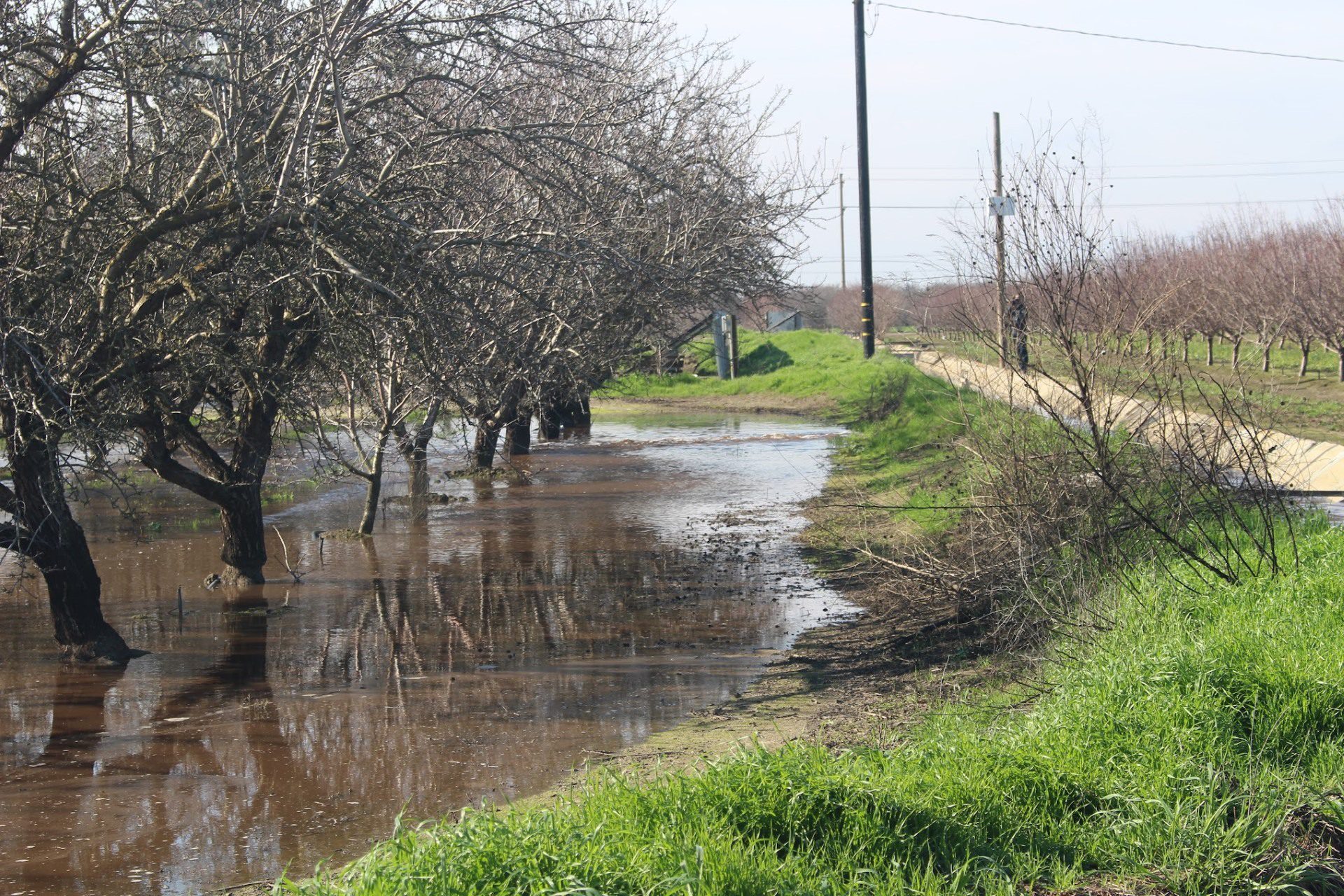
Niederholzer stressed that one of the biggest threats to orchard health is Phytophthora infection, promoted by saturated soils and standing water. These destructive soilborne water mold pathogens cause root and crown rot in almonds, walnuts and pistachios and aerial cankers in almond trees. Infection requires saturated soils from excess rain or irrigation. It can lead to tree decline, branch dieback and sudden collapse as trees begin to leaf out in spring.
“Good drainage is key to orchard health, especially in a wet winter,” Niederholzer said.
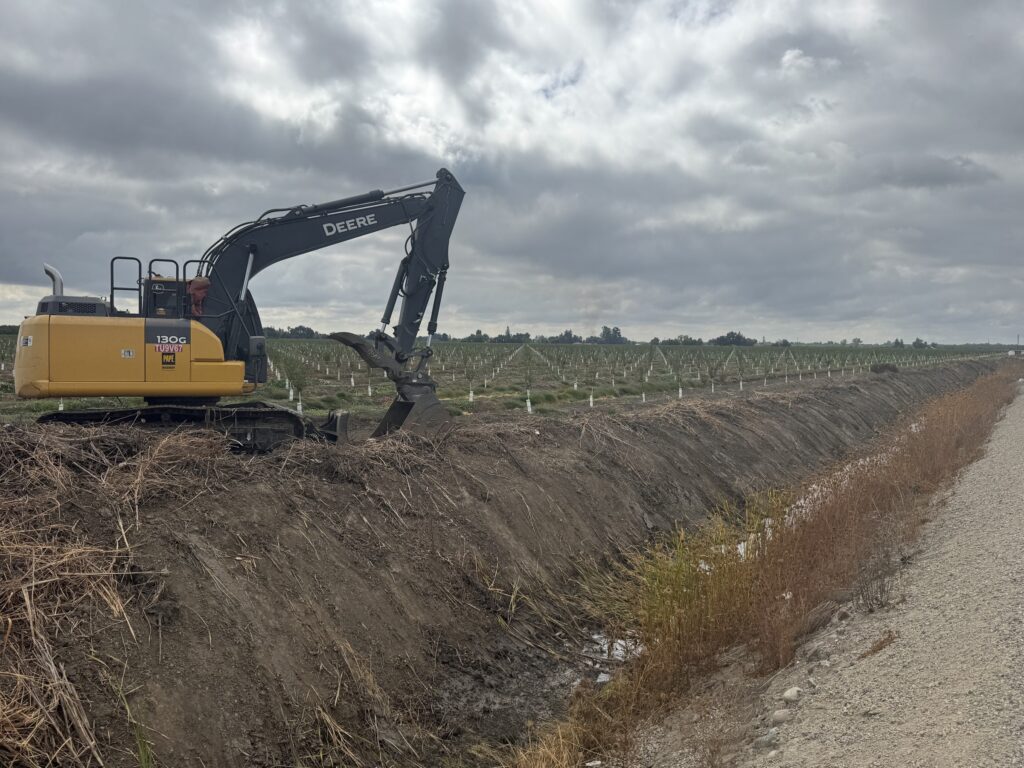
Walking orchards to map where water goes or where it flows in from helps with drainage strategies. Removing debris, including sediment and excess vegetation, from drainage ditches can help move water out and away from the orchard. If a free-flowing drain out of the low end of the orchard isn’t an option, can a sump be made and a high-volume trash pump be ready if needed?
Leaving management practices to the last minute is not advised. Early and prolonged rains can prevent or complicate critical fall and winter fieldwork, including tree planting, orchard sanitation, weed and rodent control and pruning.
Don’t sleep on sanitation, even if 2026 was a year with lower worm damage compared to the last several years. Sanitation is best completed after some early rain to wet the mummy nuts but before the ground gets too soft for shakers to work. Moving equipment through orchards with wet ground leaves more ruts with standing water. Getting mummy nuts on the ground early and destroyed by March 1 will cut down on navel orangeworm pressure next year even if it turns out to be a wet winter.
Niederholzer advised getting ahead with pre-emergent herbicide applications, timing them early and applying an irrigation to move herbicides into the soil, but not ahead of a heavy storm which can push the material deeper in the soil and reduce weed control. If rain persists into spring, he said, the early application of herbicide may help growers keep from falling behind with weed control.
If pruning is needed, it should be done during a dry period with no rain in the forecast to allow pruning wounds to heal. If rain is in the forecast and pruning recently done, a fungicide application will help reduce fungal infections of the pruning cuts in the event of rain. Check with your PCA regarding materials and rates. Late-fall pruning should be minimal, removing heavy, unbalanced low limbs that could catch the wind and cause the young tree to lean or split under heavy wind loads.
Protect Young Trees
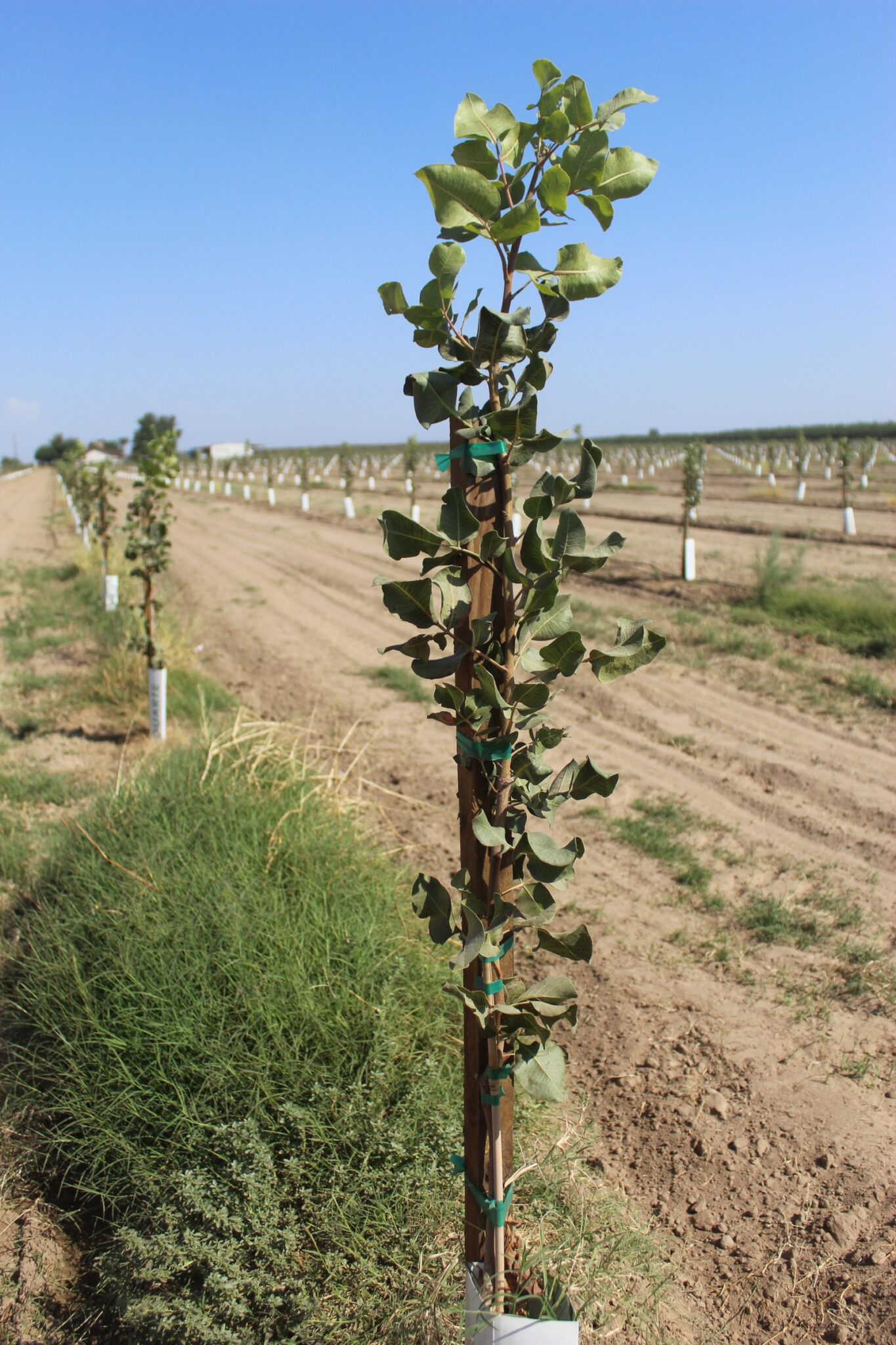
Young trees need extra attention. Their developing root systems lack the structural anchors of mature trees and can easily tilt or blow over in saturated, muddy soil. Stakes should be inspected and replaced if needed. It is also recommended to clear weeds, mulch and cover crop growth away from the base of the tree trunk as wet vegetation resting on young bark can extend wet bark conditions that invite Phytophthora infection. Weeds can also provide cover for field mice and voles, which can girdle and kill younger trees.
Protecting the Soil
Soil covering ahead of rain should also be considered, Niederholzer said. Cover can be in the form of mulch, including almond shells or a planted cover crop. Maintaining a low, managed cover crop or natural vegetation in the row middles can provide traction for necessary winter equipment passes and prevent heavy rains from eroding the topsoil around shallow young root zones. Spreading almond shell along the base of berms can reduce erosion and increase infiltration in the herbicide strip. Applying shell also delivers some potassium (about 30 to 40 pounds K2O per ton of shell) to the orchard. Putting shell down along the tree row prior to applying preemergent herbicide may reduce weed control if the shell isn’t moved by sweeper ahead of the herbicide spray.
Recharge Opportunities
A wetter than normal year can also present an opportunity for tree nut growers to capture excess canal or stream water and flood a prepared orchard site to recharge groundwater aquifers. Depending on location and soil type, growers can work with irrigation districts or apply for rights or permits to spread excess surface water. Managed aquifer recharge is not a solution for all growers. Wendy Rash, project director for Sustainable Conservation’s Water for the Future program said managed recharge is not possible on all sites, but it can be an effective part of a broader groundwater management strategy. Sustainable Conservation has tools and resources to help growers understand the limits of recharge including their balance rate, soils and crop tolerances.
The Recharge Readiness webinar series began Sept. 14, and a Recharge Methods manual is also available. Information and additional resources are available at GroundwaterRecharge.org
Originally published in the October / November 2026 issue of West Coast Nut, beginning on page 6.

Cecilia Parsons
Cecilia Parsons has lived in the Central Valley community of Ducor since 1976, covering agriculture for numerous agricultural publications over the years. She has found and nurtured many wonderful and helpful contacts in the ag community, including the UCCE advisors, allowing for news coverage that focuses on the basics of food production.
She is always on the search for new ag topics that can help growers and processors in the San Joaquin Valley improve their bottom line.
In her free time, Cecilia rides her horse, Holly in ranch versatility shows and raises registered Shetland sheep which she exhibits at county and state fairs during the summer.
From the Orchard
to Your Next Good Decision.