When I look back at a season, I want to know what happened in each orchard and why. Yield matters. Reject levels matter. But those numbers are only the beginning of the conversation. If we had damage, lost leaves or struggled to get work done on time, we need to understand the cause before we plan another season.
That is where I would start this fall. Look at the results, get out in the orchard and talk through what you saw with your PCA. If something worked well, understand what made it work. If a problem showed up, decide what you need to learn or change.
Review the Timing
One thing that surprised me this season was navel orangeworm damage in some orchards belonging to very good growers. These are growers who normally have good control. It did not happen everywhere, but in the orchards where it did, I kept coming back to timing.
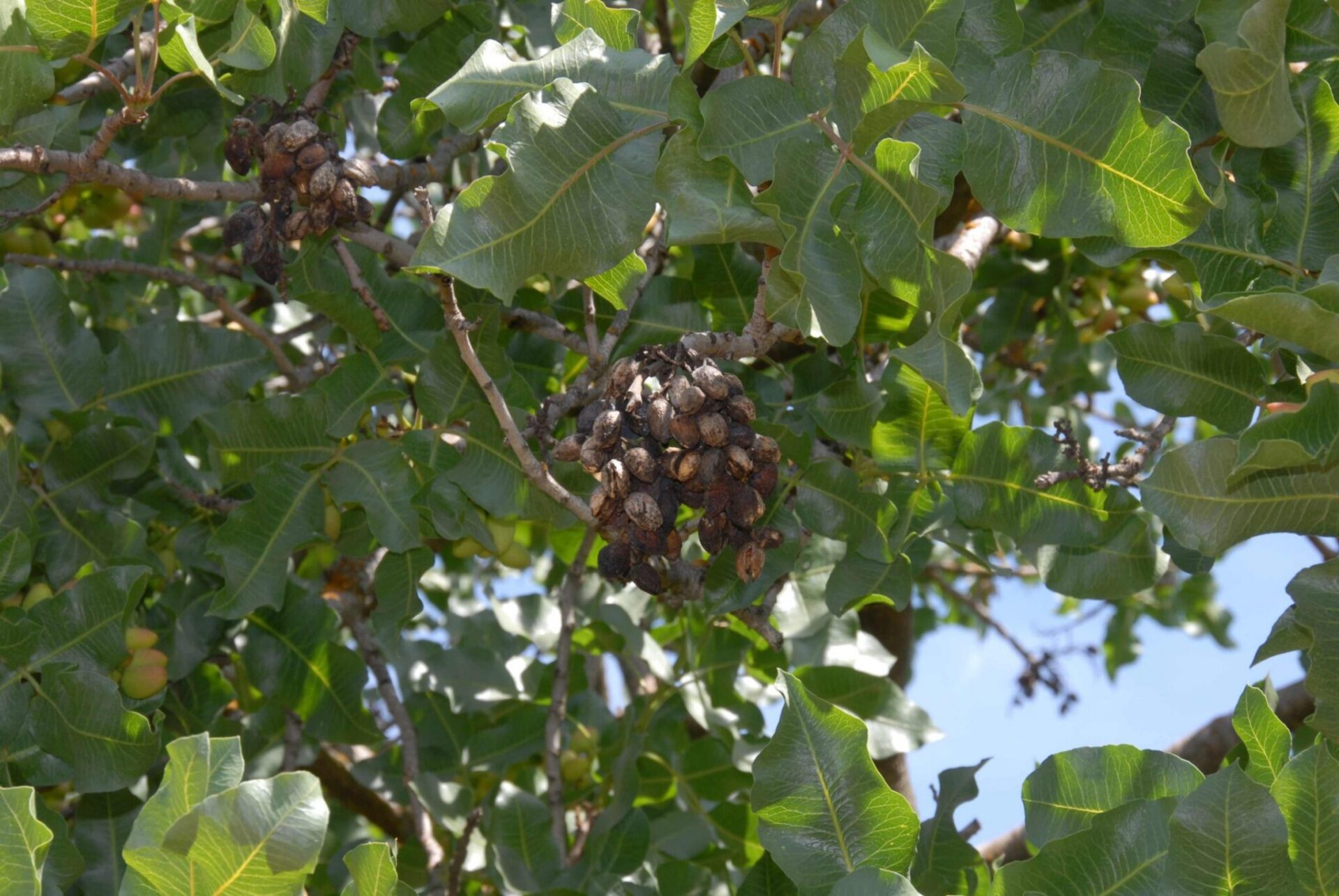
Some larger operations had more acres than they could cover within the intended window. Ideally, we would like to see that work done in four or five days. In some cases, it stretched into three or four weeks. That extra time in the orchard gave navel orangeworm more opportunity to cause damage.
We saw that even where mummy removal had been good. Application schedules also deserve a look, because sprays may have been delayed or spread over too many days. You have to consider the whole sequence of work.
Before next season, compare the timing you intended with what actually happened. Which blocks were finished first, and which were last? Did you have enough equipment to cover the acreage? Those are practical questions, and they can help explain why a program gave you different results across the operation.
Evaluate Your Crop Samples
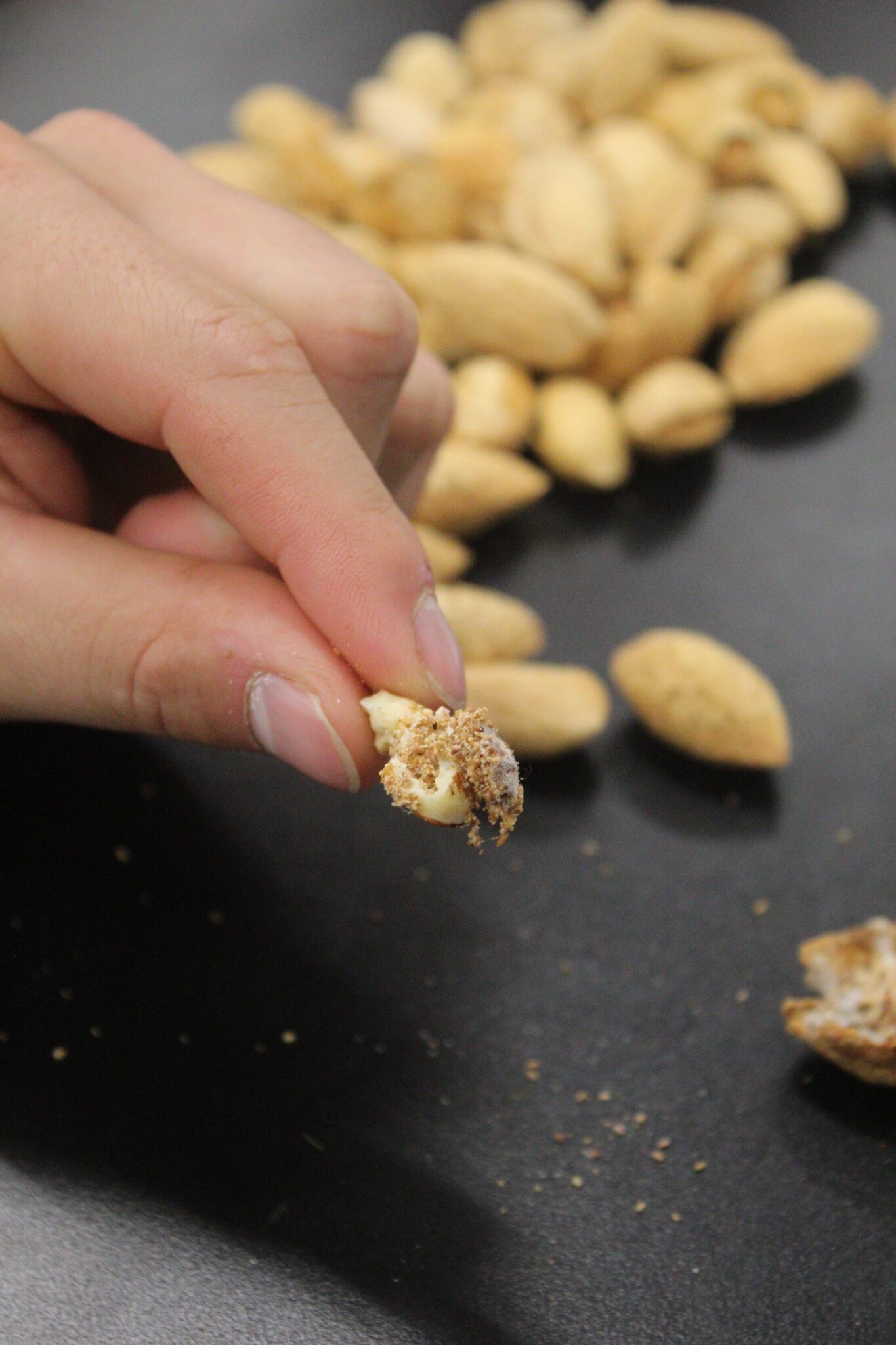
We collect almond samples behind the shaker, crack them by hand and grade them. I want to know what caused the damage. A total reject number tells me there is something to investigate, but I still need to see what happened to those nuts.
We also look at nut weights. Before harvest, I kept hearing concerns about small nut size. When we got into our samples, the weights looked pretty standard compared with the last few years. I did not see that problem in the areas where I work. I cannot tell you what happened everywhere else in the state.
That is why I put so much value on sampling your own orchard. Something you hear from another area may be worth checking, but your samples tell you whether it applies to your crop. Keep that information by block so you can use it when you sit down to plan.
Start with the Water History
When someone asks how much water an orchard needs after harvest, my first question is what happened during harvest. Some growers can shake, sweep nuts into the middles and keep irrigating with drip systems or, in some situations, fan jets. Others have a longer interruption.
Those differences affect what the orchards need afterward. The trees need adequate irrigation because bud development is still underway. How urgently you need to do that depends on where the orchard stands when harvest ends. Look at its condition and irrigation history together.
I also want to know whether we kept a reasonable canopy through harvest. Did mites cause leaf loss? Was Alternaria leaf spot a problem? Did the trees become water-stressed? It may have been more than one thing. Water stress and mites can occur together, and you need to sort that out.
Knowing why the leaves came off helps you decide what needs attention next season.
Let the Samples Guide Nutrition
For almond nutrition, I want to see the July tissue samples. Those results should help you decide whether a fall application is needed. Look at the nutrients that are deficient and discuss what can appropriately be supplied now. For boron, look at the hull samples.
We have reduced nitrogen in some of the orchards I work with over successive years because the tissue levels were higher than we wanted. That is why the sample results matter. An orchard's history and current results should guide the decision to apply more.
Potassium and other nutrients need that same attention. If your budget is limited, start by finding the documented deficiencies. You can then have a specific conversation about what the orchard needs, what can be addressed in fall and where that application fits in the overall program.
Consider the Crop and Orchard Age
In pistachios, I pay particular attention to young orchards going into fall. I do not want to keep them excessively wet and pushing vigorous growth late into the season, when an early freeze could become a concern. The idea is to moderate irrigation without stressing the trees.
Mature orchards also need appropriate water management as the weather cools. We have seen Phytophthora issues in pistachios, so irrigation deserves a careful look. Review the August nutrient samples at the same time and see what they tell you about the orchard's needs.
For walnuts, I review codling moth control and any new pest observations. We found walnut husk fly at one site during harvest where we had never found it before. That observation gives us something specific to watch for next season. Carry those changes forward in your records.
Plan Sanitation and Weed Management
Sanitation planning should reflect the damage you found. If your results were good, look at the practices that helped you get there and repeat them. If navel orangeworm or other damage remained a problem, review what needs to change, including opportunities for earlier sanitation in fall or winter.
The weeds left at harvest can also tell you a great deal. Identify what is out there. Junglerice, goosegrass and flaxleaf fleabane are among the weeds that deserve attention when you review your program. Match residual herbicides to the species and conditions in that field with your PCA.
Fields may have different weed complexes. You may need different approaches across the operation. Planning that work in fall gives you a chance to get the timing right and build a program around the weeds you actually have.
We also take fall spur samples for scale in almonds. Knowing the population helps us decide whether a dormant spray is warranted. Those samples help us make that decision.
Set Fall Priorities
If I had to protect three priorities between harvest and winter, I would start with documented nutrient deficiencies, appropriate irrigation and timely residual weed management. Those are the areas I would look at first.
I would also make sure the people carrying out the work understand the priority in each block. An orchard needing attention now may be different from the one next to it. Putting those differences into the fall plan helps you connect your field observations with the schedule you follow.
Gather the samples and records, walk the orchard and work through the questions with your adviser. A useful fall review leaves you knowing what your orchard needs and how you plan to address it.
Originally published in the October / November 2026 issue of West Coast Nut, beginning on page 56.
From the Orchard
to Your Next Good Decision.