 TM
TM
There was plenty of optimism in the room at this year’s Western Tree Nut Association Annual Meeting last month, and for good reason.
After several challenging years, California’s tree nut industry is beginning to see positive momentum. Markets are improving, exports remain strong, inventories are becoming more manageable, and consumer demand continues to move toward healthy, nutrient-dense foods like almonds, pistachios, walnuts and pecans.
But if there was one message that echoed throughout the conference, it was that the future of California agriculture will depend just as much on advocacy as it does on production.
Market Fundamentals Continue to Improve
The economic outlook appears more stable than many expected just a few years ago. Concerns about a major recession have eased, unemployment remains relatively low, and a weaker U.S. dollar is helping American agricultural products compete more effectively in global markets.
For California tree nuts, that’s good news.
Tree nuts remain one of the brightest spots in American agriculture. While the United States now imports more agricultural products than it exports overall, tree nuts
continue generating billions of dollars in positive trade value and remain one of California’s strongest export success stories.
Consumer trends are also moving in the industry’s favor. More shoppers are looking for natural foods that provide protein, fiber and nutritional value. Tree nuts fit perfectly into that trend, which has created long-term opportunities for growers, processors and marketers alike.
The almond industry also appears to be working through the painful market correction that followed the pandemic. Acreage growth has slowed, inventories are under better control, shipments remain strong, and prices have improved significantly.
Pistachios continue strengthening their position globally as well. The United States has now surpassed Iran as the world’s leading pistachio producer and exporter, solidifying California’s importance in feeding consumers around the world. While weather challenges may reduce the size of the 2026 crop, stronger prices are expected to help offset some of those impacts.
Walnuts and pecans are also showing encouraging signs as demand strengthens and supplies tighten.

WTNA Momentum Continues to Grow
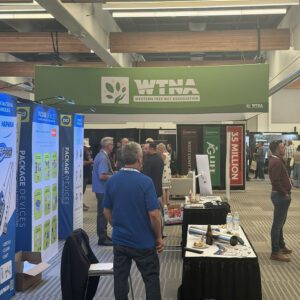
While the market outlook generated excitement, one of the biggest highlights of the conference was the incredible momentum surrounding the Western Tree Nut Association itself.
WTNA hosted a record-breaking annual meeting with strong attendance, more first-time attendees and growing interest from across the industry. That growth is a direct reflection of the tremendous work the association continues to do on behalf of California tree nut growers, processors and handlers.
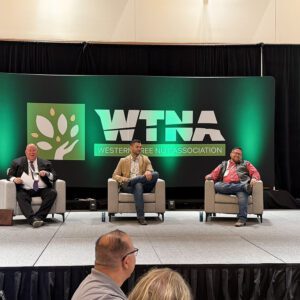
During his gala address, WTNA President and CEO Roger Isom reminded a packed room that WTNA is truly unique within California agriculture. No other organization represents the tree nut industry in Sacramento the way WTNA does. From air quality regulations and water policy to labor issues, food safety requirements and crop protection tools, WTNA is fighting every day to ensure growers can continue farming successfully
in California.

Advocacy Is No Longer Optional
One point that WTNA staff and board members stressed throughout the conference was the importance of getting involved. Their message was clear: Policymakers cannot support agriculture if they don’t understand what agriculture is facing.
Growers, processors, PCAs, consultants and industry leaders were encouraged to build relationships with elected officials and help educate decision-makers about the realities of farming in California. Whether it’s water availability, labor challenges, increasing regulatory costs, air quality requirements or the loss of critical crop protection tools, the people making decisions in Sacramento need to hear directly from the men and women producing the food, fiber and nuts that help feed the world.
The future of California agriculture will depend just as much on advocacy as it does on production.
The reality is that California agriculture is reaching a boiling point.
Water quality regulations continue to expand. Groundwater restrictions under SGMA are reshaping farming decisions across the San Joaquin Valley. Labor regulations continue to add costs and complexity. Crop protection tools face increasing scrutiny while growers simultaneously battle inflation, pests and rising operating expenses.
Working with politicians on water policy, legislation, regulatory reform and preserving farming tools is no longer optional. It is essential if California agriculture is going to remain competitive and survive for future generations.
Why Organizations Like WTNA Matter
That’s why organizations like WTNA matter. WTNA continues to lead critical conversations around water infrastructure, air quality programs, labor regulations, food safety requirements and preserving the crop protection tools growers need to remain productive. The association remains actively engaged in legislative and regulatory battles that will directly impact the future of California tree nut production.
As co-hosts of the annual meeting, JCS Marketing and West Coast Nut are proud to stand alongside WTNA and support its mission.
Now more than ever, California agriculture needs strong advocates working directly with legislators, regulators and policymakers. The challenges facing growers are too important to ignore and too complex to solve alone.
The fundamentals of the tree nut industry remain strong. Global demand is growing. Consumers continue to recognize the health benefits of nuts. Markets are improving. Innovation continues to advance.
The opportunity is there.
If the energy, engagement and record attendance at this year’s WTNA Annual Meeting were any indication, our industry is ready for the challenge. The future of California tree nuts will not only be shaped by what happens in our orchards, but also by the willingness of our industry to stand together, tell our story and fight for the future of farming in California.